 Climate Change Impact
Climate Change Impact
Climate Change Impact
Climate change significantly impacts the transportation sector by damaging infrastructure through extreme weather (floods, storms, heatwaves) and rising sea levels, which increase repair costs and cause operational delays. Key risks include buckled roads/rails from heat, flooded coastal infrastructure, and disrupted supply chains. Concurrently, transportation is a major contributor, generating roughly 25% of global CO2 emissions.
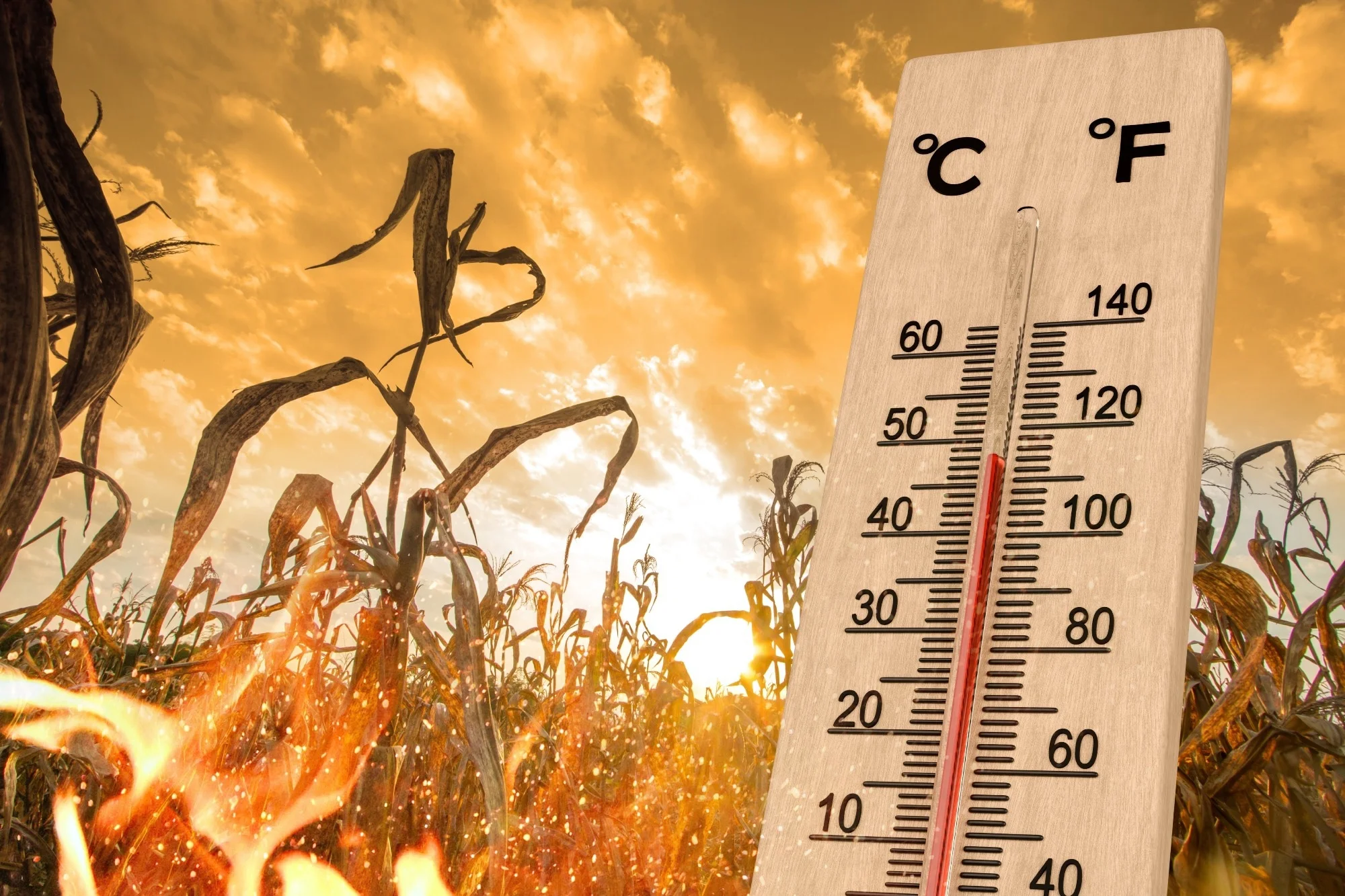
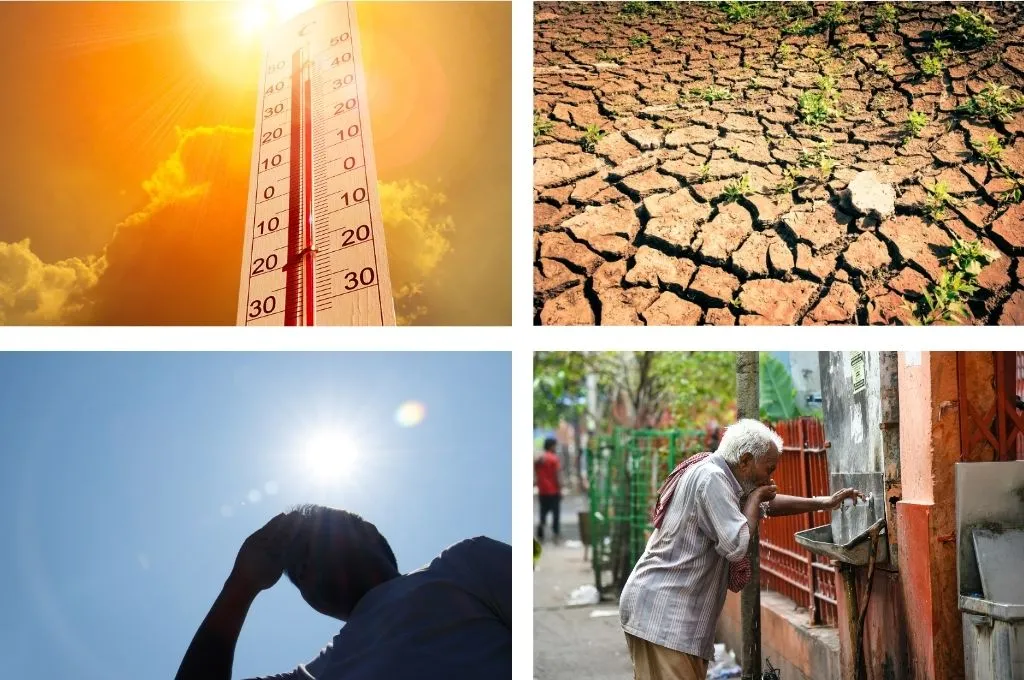
Extreme heat from climate change severely disrupts transportation by warping rail tracks ("sun kinks"), melting asphalt, and restricting air travel due to reduced lift, costing billions in repairs and delays. Increased temperatures cause equipment failures, reduced speeds, and heightened health risks for transit users and workers, with infrastructure damage anticipated to rise significantly.

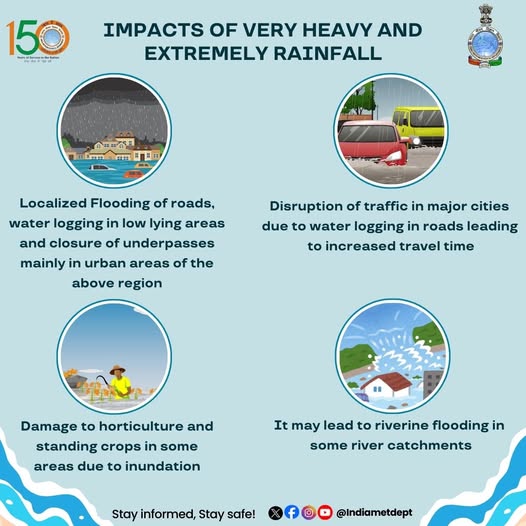
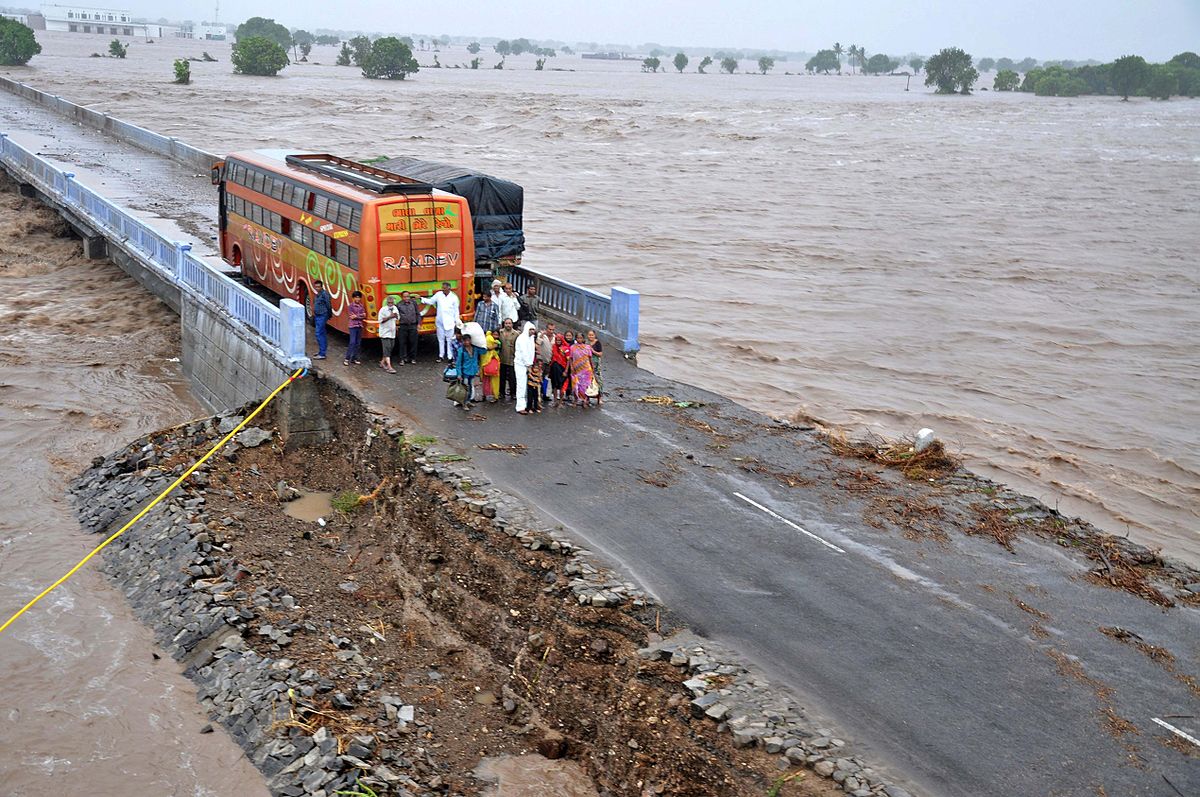
Climate change is significantly affecting the transportation sector through increased flooding and intense precipitation, acting as the primary cause of weather-related disruption. As atmospheric temperatures rise, the air holds more moisture, leading to higher intensity rainfall, which exceeds the design capacity of existing infrastructure and causes severe damage to road, rail, and aviation networks.

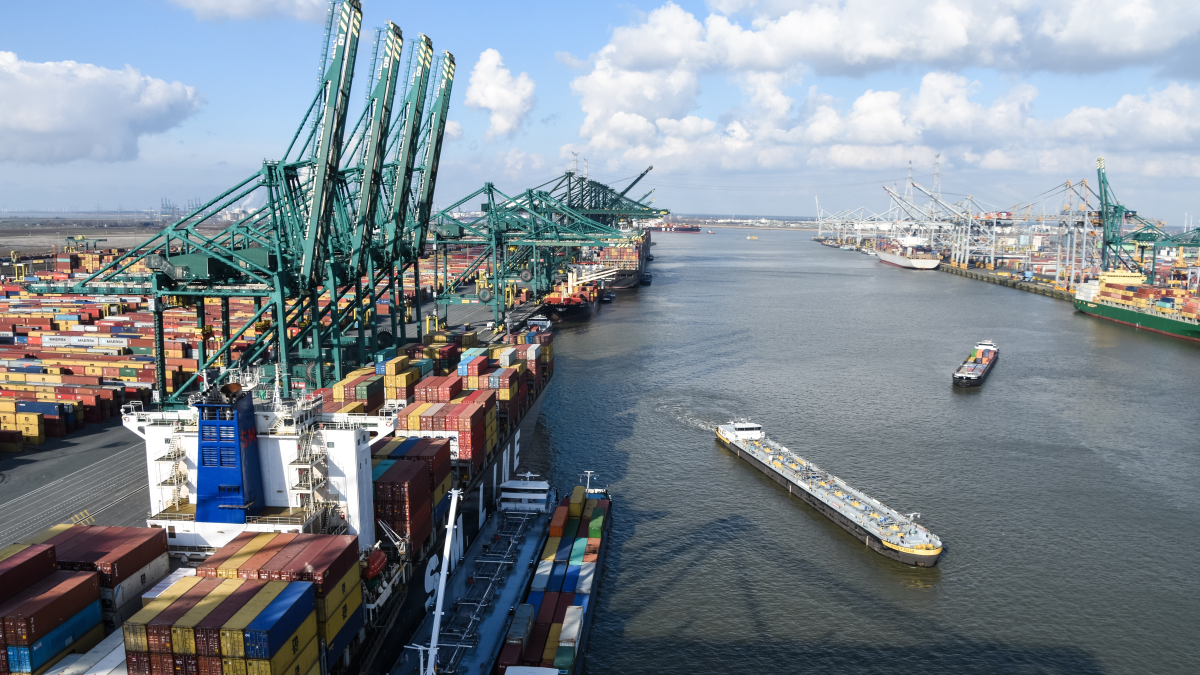
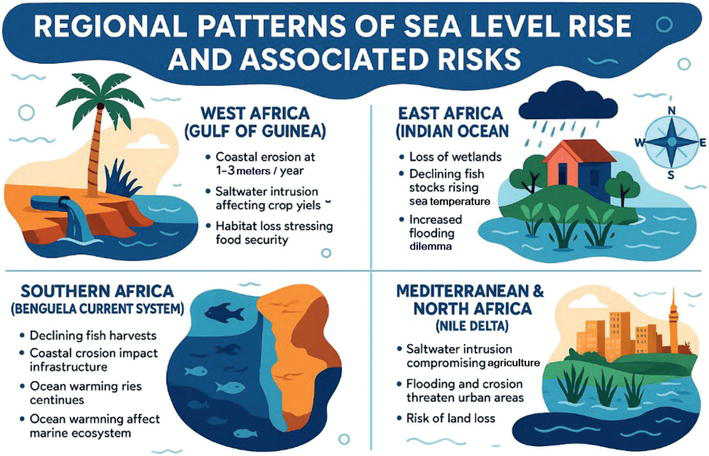
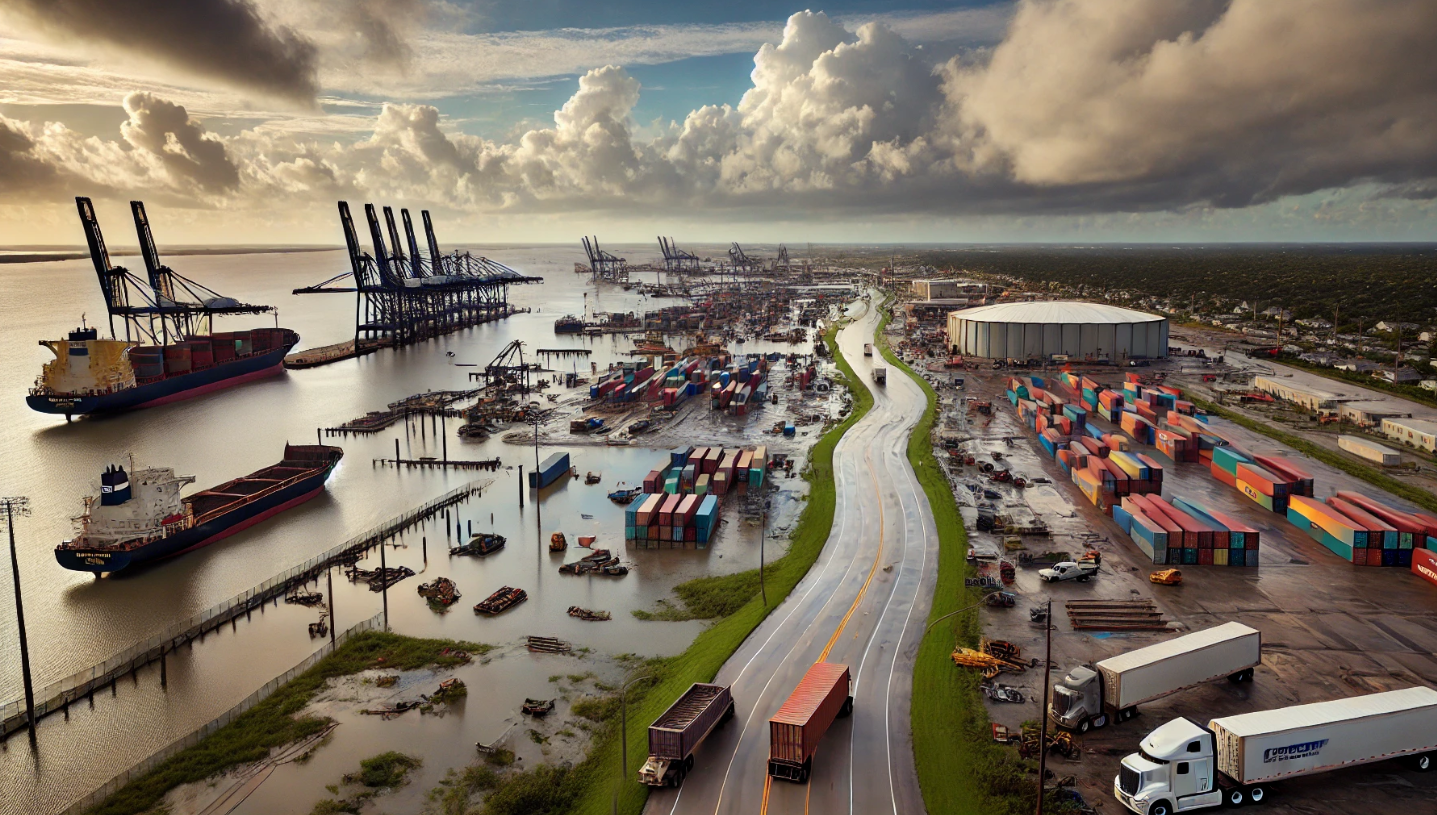
Sea level rise (SLR) threatens coastal transportation infrastructure, causing increased flooding, erosion, and structural damage to roads, tunnels, and ports. Rising waters reduce bridge clearances, trigger more frequent "sunny day" tidal flooding, and risk shutting down critical logistics hubs. These impacts cause severe transport delays, rising costs, and damage from increased storm surges.
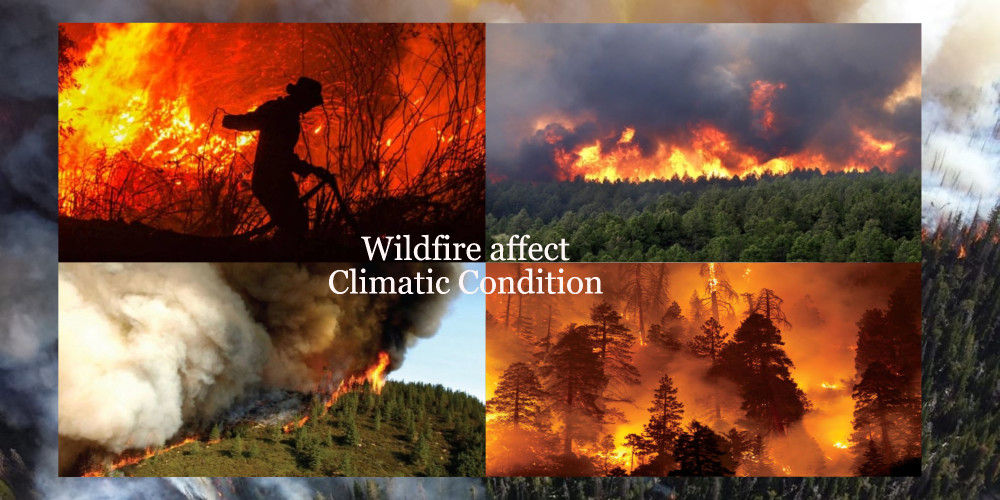
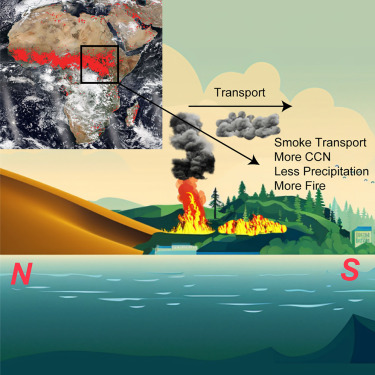
Climate change is significantly increasing the frequency, intensity, and duration of wildfires, creating severe, cascading, and often permanent impacts on the transportation sector. These fires directly damage infrastructure, disrupt logistics, endanger evacuation routes, and cause long-term operational shutdowns. Between 2000 and 2019, over 256,000 miles of roads in the contiguous U.S. were exposed to large fires.

Climate change increases transportation maintenance costs by accelerating infrastructure degradation through extreme heat (buckling, pavement rutting), intensified flooding, and freeze-thaw cycles. Key impacts include up to billion in extra asphalt costs by 2070 and significant rail/road repairs due to buckling, while flooding causes damage to bridges and coastal infrastructure.
Investing in climate resilience, supply chain diversification, and disaster response improvements.Adaptation in operations involves shifting from "business-as-usual" to proactive, forward-looking strategies that build resilience, frequently using the "3 As" framework: Ambition, Assessment, Action.
Using energy-efficient technologies to reduce operational costs and carbon emissions.Climate change is reshaping how the operational sector (manufacturing, energy, logistics, construction, utilities, and facility management) approaches resource efficiency. Rising temperatures, extreme weather events, regulatory pressure, and shifting market expectations are forcing organizations to rethink how they use energy, water, materials, and land.
Integrating climate risk into operational planning to anticipate and mitigate disruptions.Climate change significantly affects the operational sector (manufacturing, energy, transport, construction, utilities, supply chains) by reshaping how organizations conduct risk assessment. Companies now integrate climate-related risks into Enterprise Risk Management (ERM), financial planning, compliance, and operational continuity strategies.