 Climate Change Impact
Climate Change Impact
Climate Change Impact
Climate change impacts business operations through severe, direct, and long-term disruptions. Extreme weather events, infrastructure damage, supply chain breakdowns, and workforce risks significantly increase operational costs and downtime.Climate change has wide-ranging impacts on the operational sector—including manufacturing, energy, logistics, construction, agriculture, and utilities—by affecting daily operations, costs, productivity, and long-term strategic planning. It is no longer just an environmental concern but a core operational and economic issue.
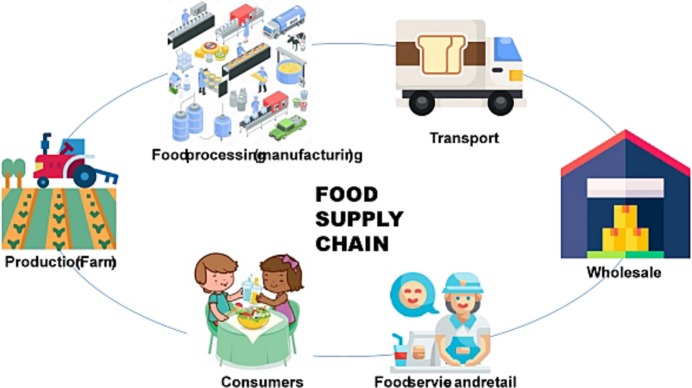
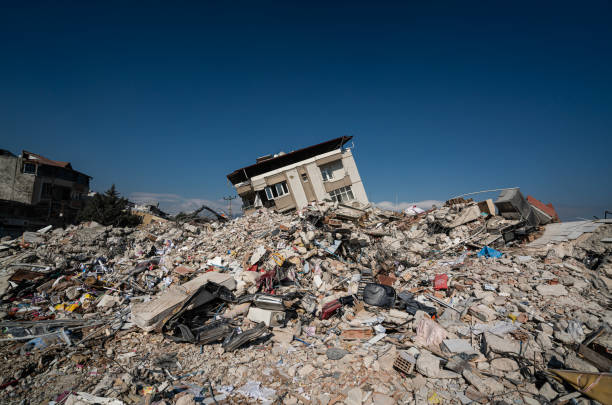
Extreme weather events disrupt shipping, damage inventory, and delay transportation, increasing operational costs and causing inventory losses.Climate change intensifies extreme weather events such as hurricanes, floods, wildfires, and storms directly disrupting global supply chains and logistics networks.
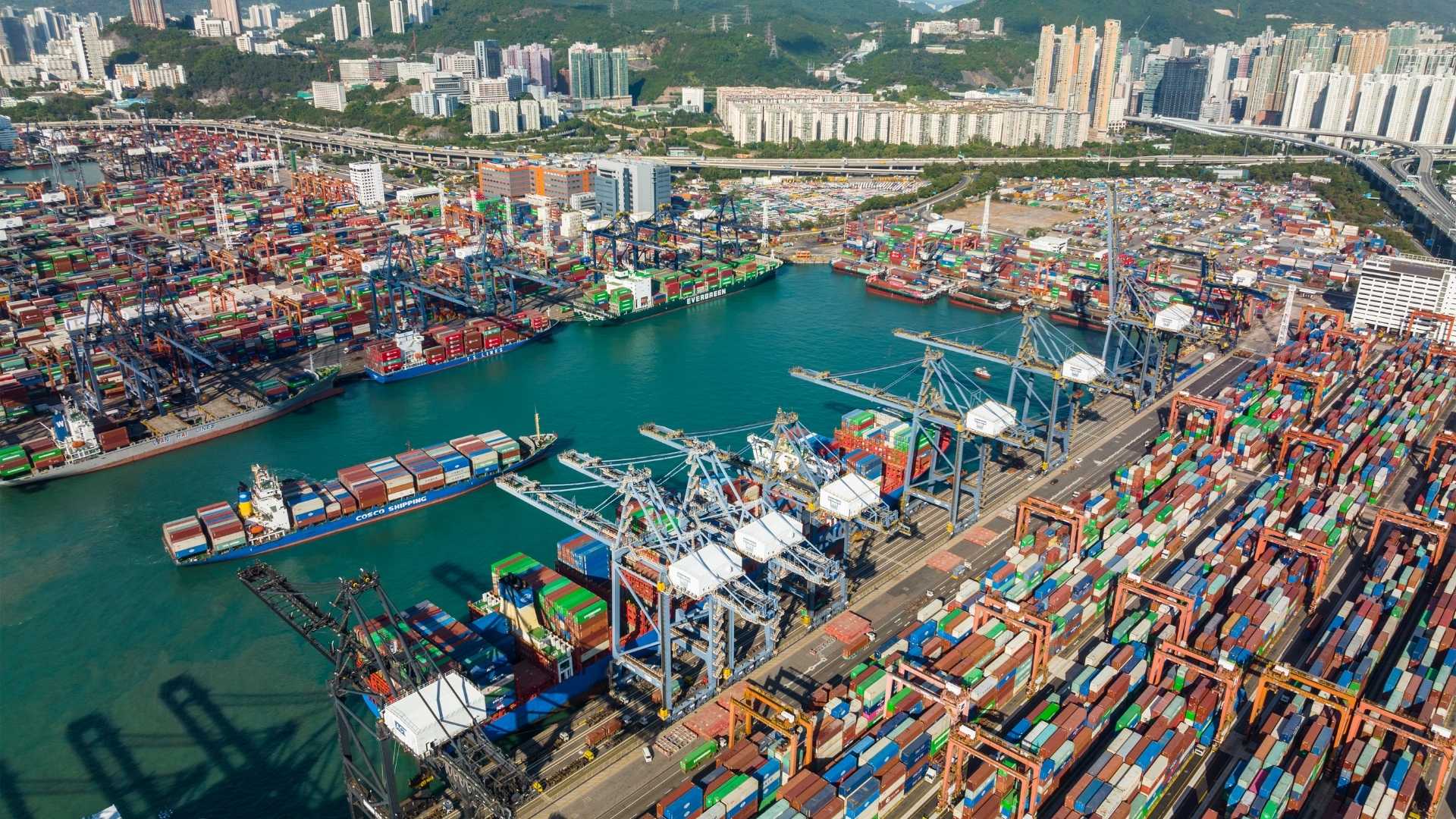
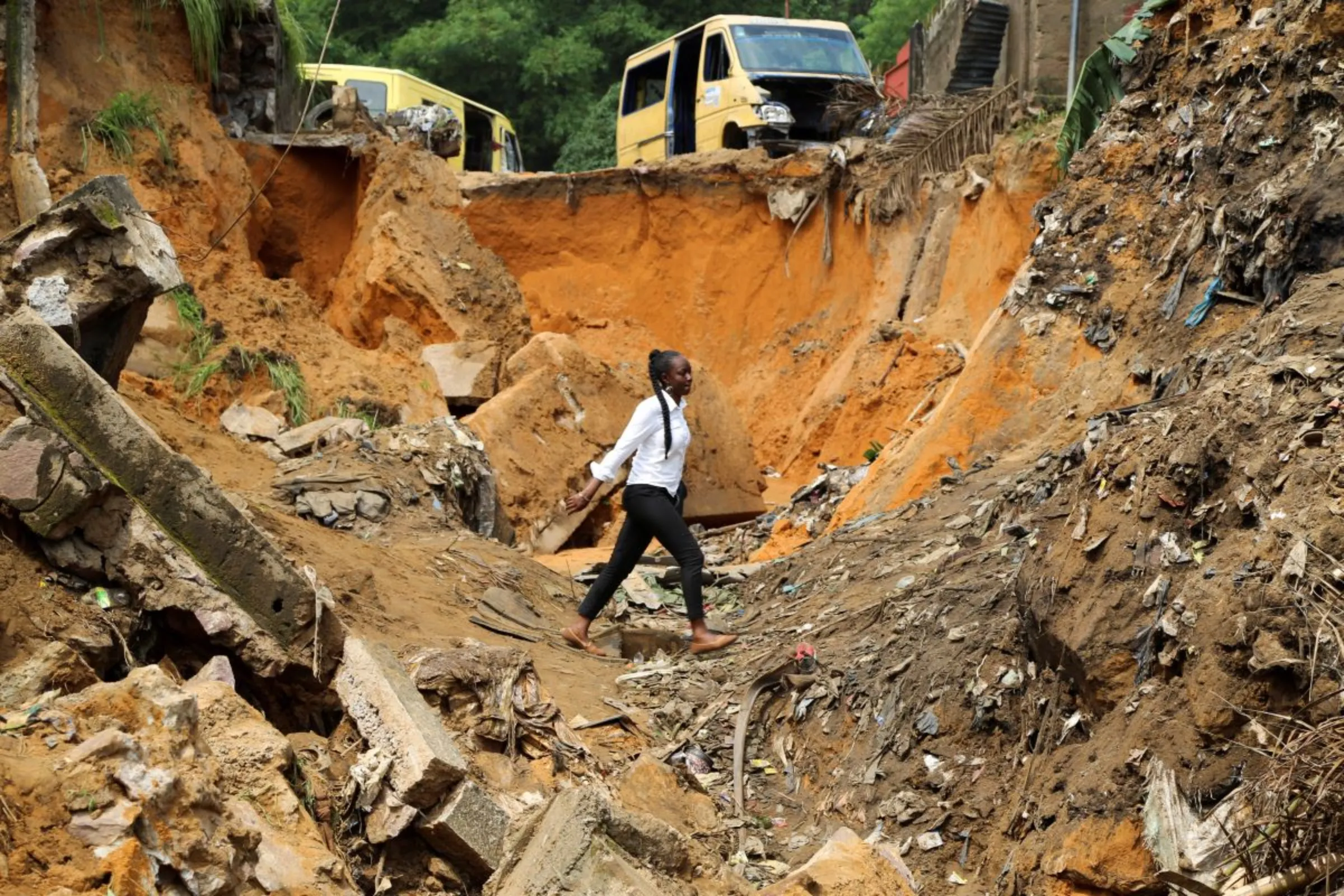
Rising sea levels and severe storms threaten factories, warehouses, and corporate facilities, requiring costly repairs or relocation.

Heat waves and rising temperatures reduce productivity, create safety risks, and increase absenteeism.

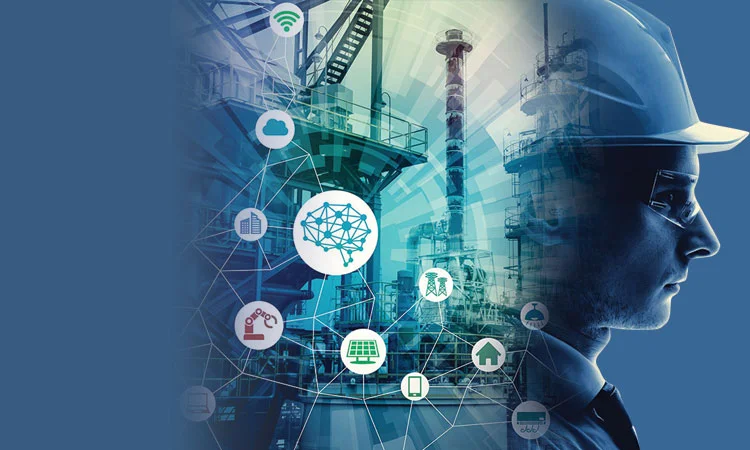

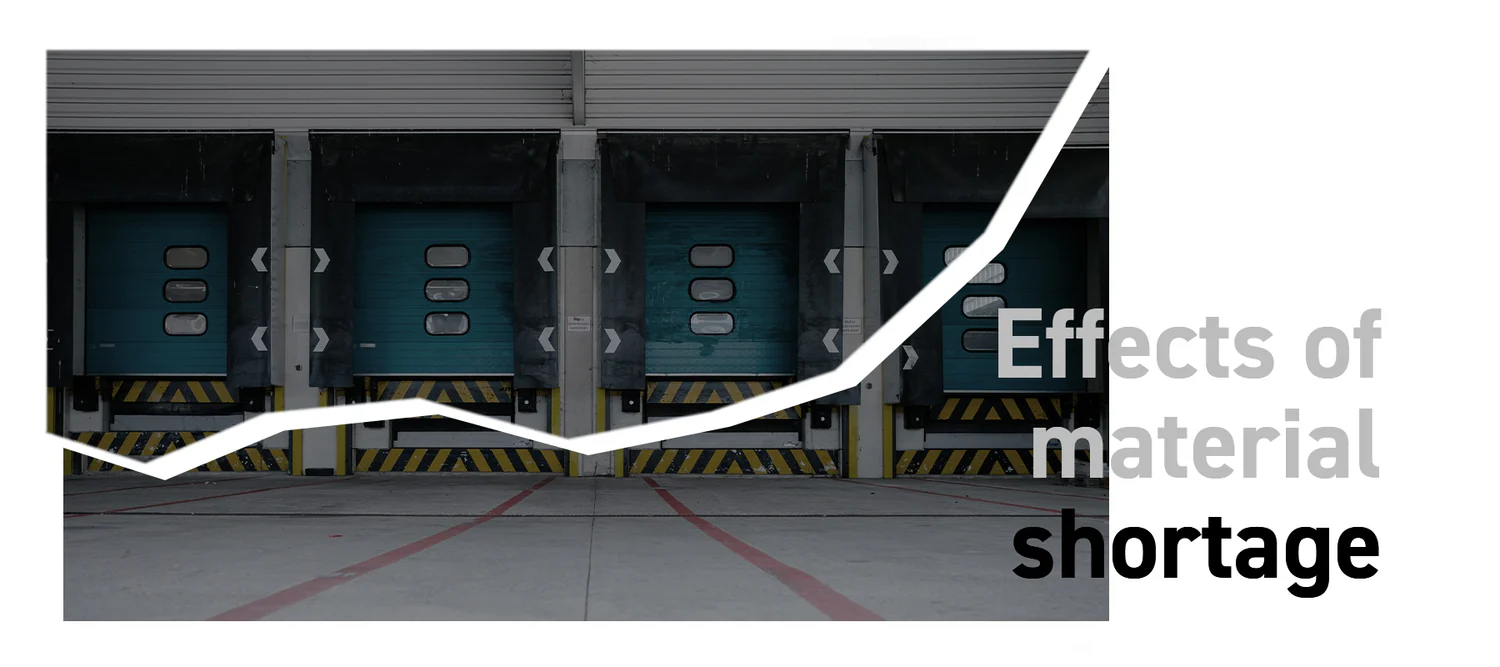
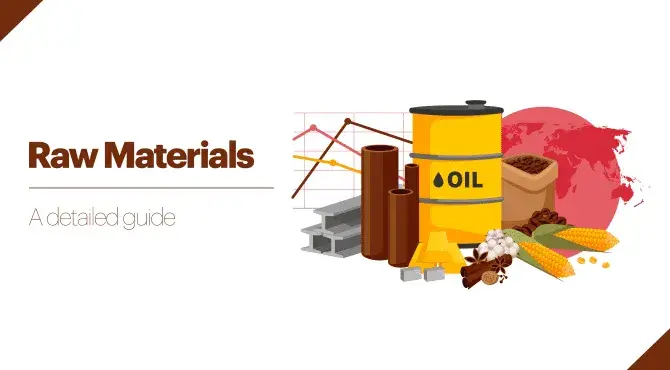
Climate change is increasingly shifting from a long-term risk to an immediate operational crisis, with over 99% of executives surveyed reporting impacts on their supply chains. The operational sector is experiencing significant raw material shortages and increased price volatility driven by extreme weather, water scarcity, and ecological shifts.Climate change disrupts the availability, cost, and quality of raw materials, creating operational challenges for industries.
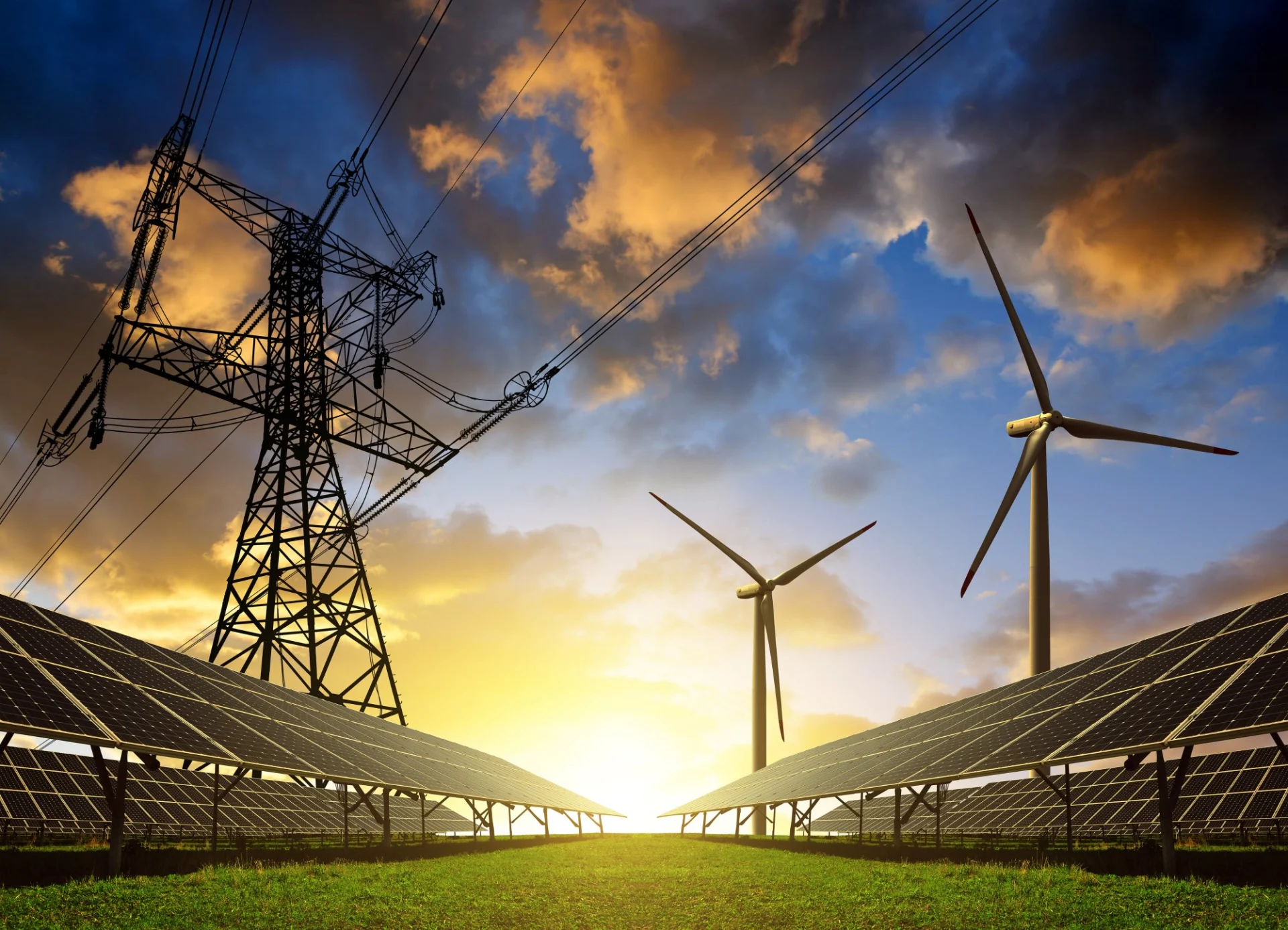
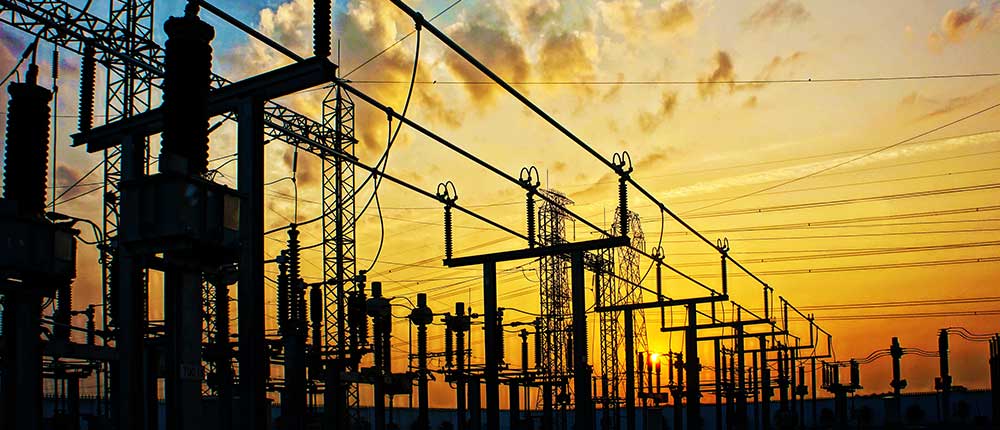
Changing energy demands and infrastructure risks impact consistent access to electricity and utilities.Climate change poses significant, direct, and increasingly severe risks to the operational sector of the energy industry. It disrupts energy production, distribution, and consumption throughextreme heat, water shortages, and intense natural disasters.
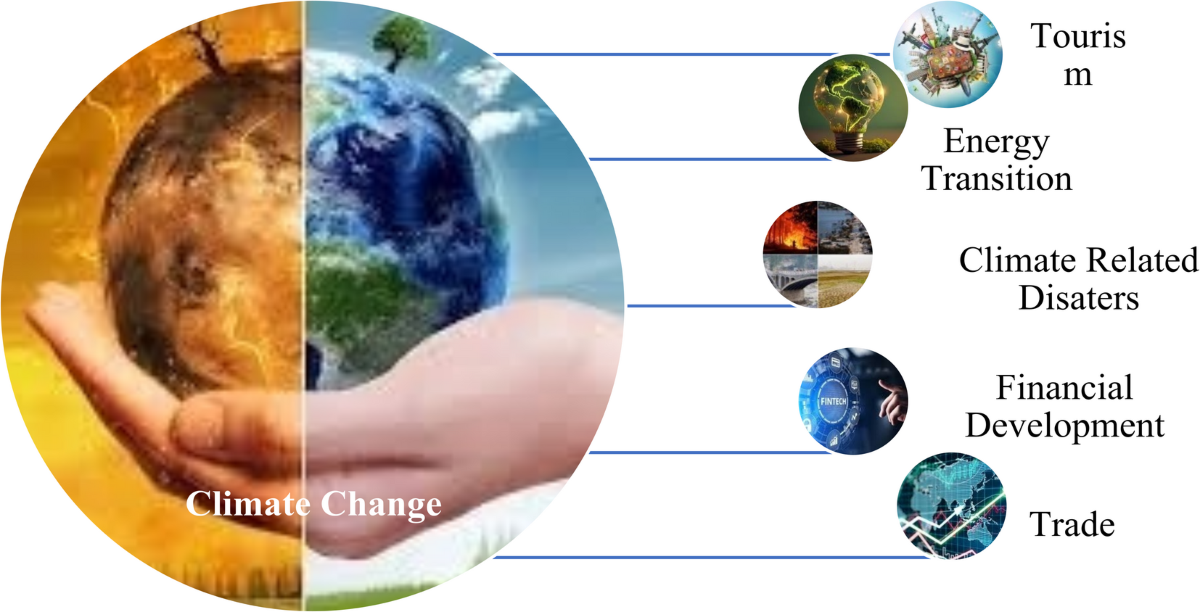
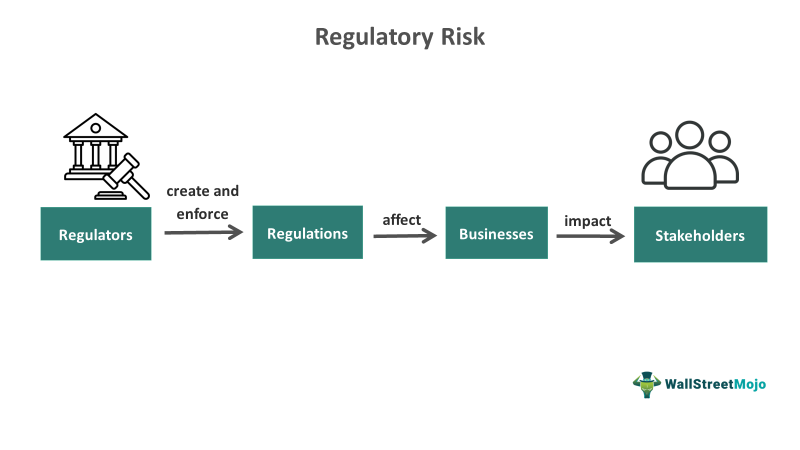
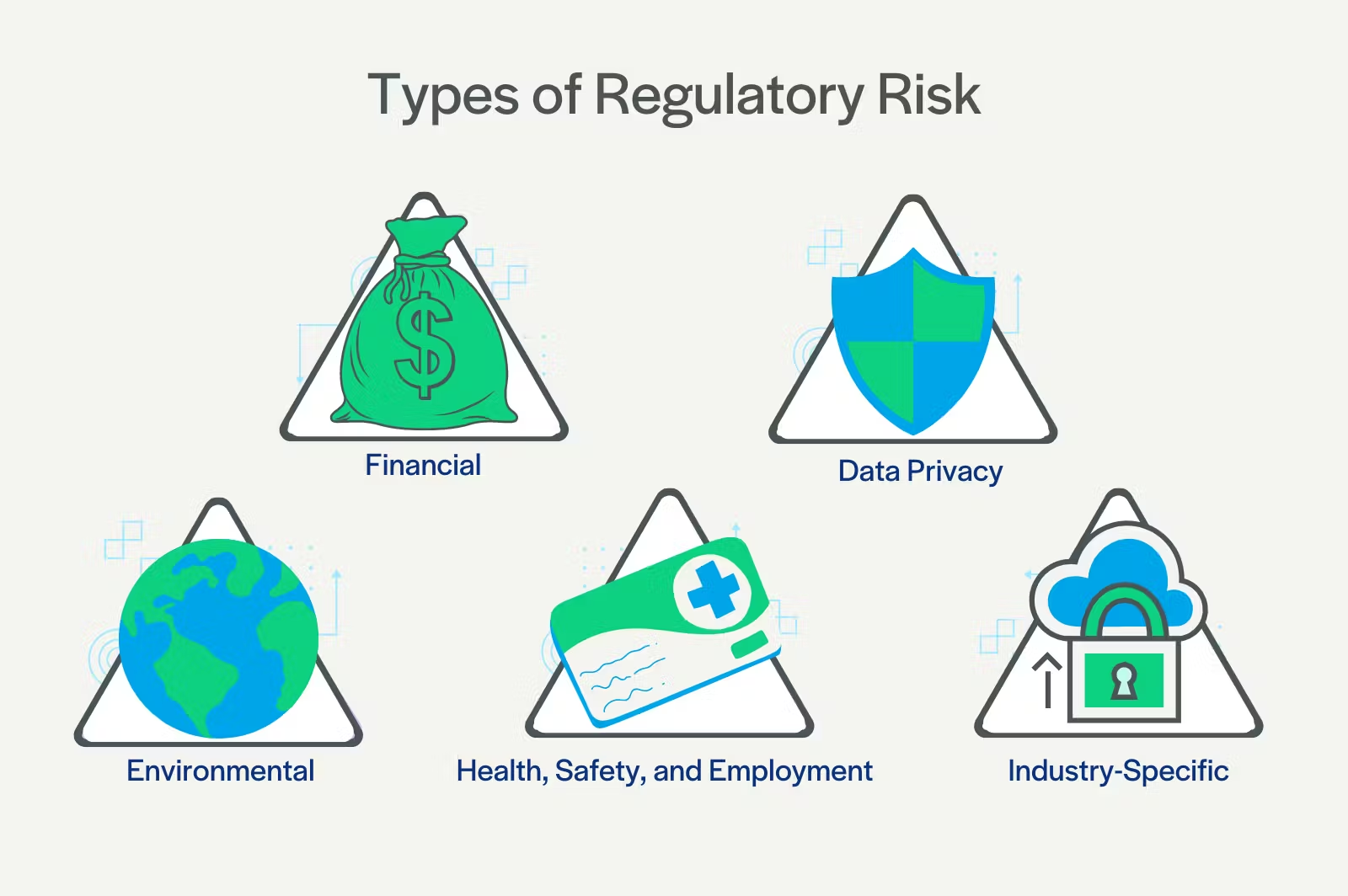
Stricter environmental regulations and carbon pricing increase compliance costs and operational adjustments.Climate change introduces severe regulatory risks to the operational sector, arising from the transition to a low-carbon economy and the urgent need for climate-resilient operations. These risks stem from new, stricter government regulations, mandatory reporting, and, if not met, legal liabilities and financial penalties.
Investing in climate resilience, supply chain diversification, and disaster response improvements.Adaptation in operations involves shifting from "business-as-usual" to proactive, forward-looking strategies that build resilience, frequently using the "3 As" framework: Ambition, Assessment, Action.
Using energy-efficient technologies to reduce operational costs and carbon emissions.Climate change is reshaping how the operational sector (manufacturing, energy, logistics, construction, utilities, and facility management) approaches resource efficiency. Rising temperatures, extreme weather events, regulatory pressure, and shifting market expectations are forcing organizations to rethink how they use energy, water, materials, and land.
Naam Foundation is a non‑governmental organisation based in Pune, Maharashtra, focused on supporting farmers and rural communities in drought‑prone regions. Founded by Nana Patekar and Makarand Anaspure, it works on water conservation, livelihood support, education, and rural development to improve the resilience and well‑being of villages across Maharashtra.