Agriculture Sector
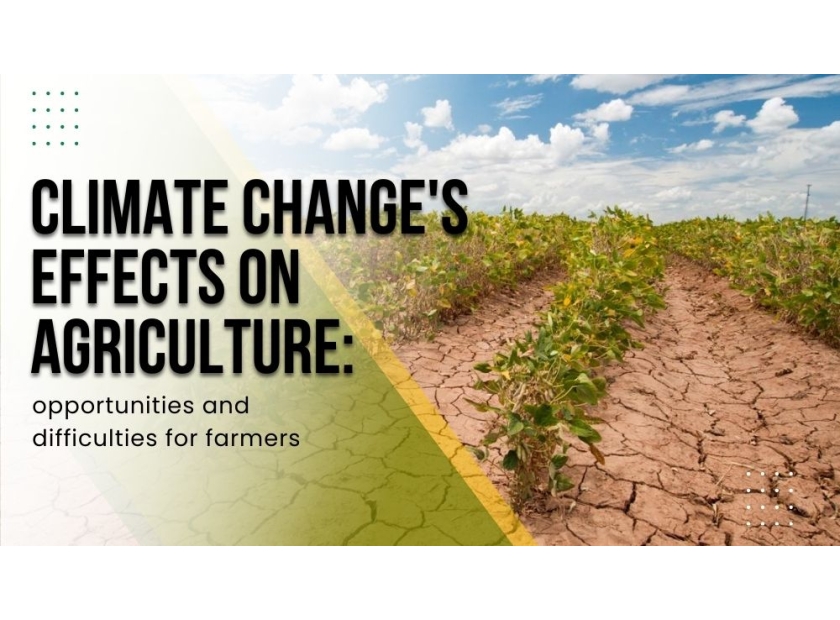
Climate change is significantly affecting agriculture worldwide. Changes in temperature, rainfall patterns, and extreme weather events are influencing crop production, livestock health, and food security.
Key Impacts on Agriculture Sectors
Rising Temperatures
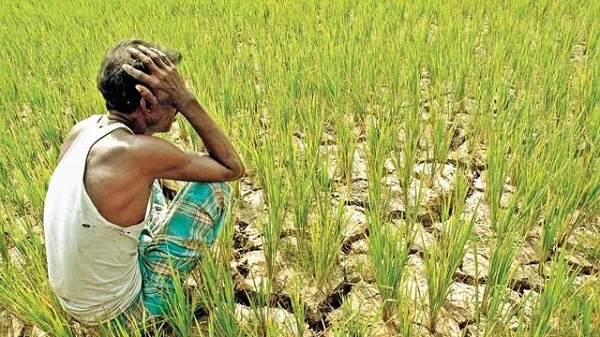
Higher temperatures can reduce crop yields, especially for heat-sensitive crops like wheat, rice, and maize.Increased heat can shorten growing seasons.Heat stress affects livestock, reducing milk production, fertility, and overall health.
Example: In countries like India, rising temperatures have impacted wheat production during critical growth stages.
Reduce Crop Yield:
- Most crops have an optimal temperature range for growth.
- When temperatures rise beyond this range, crops experience heat stress.
- Heat stress reduces photosynthesis and affects grain filling.
- Crops like wheat, rice, and maize are especially sensitive during flowering
Changes in Rainfall Patterns
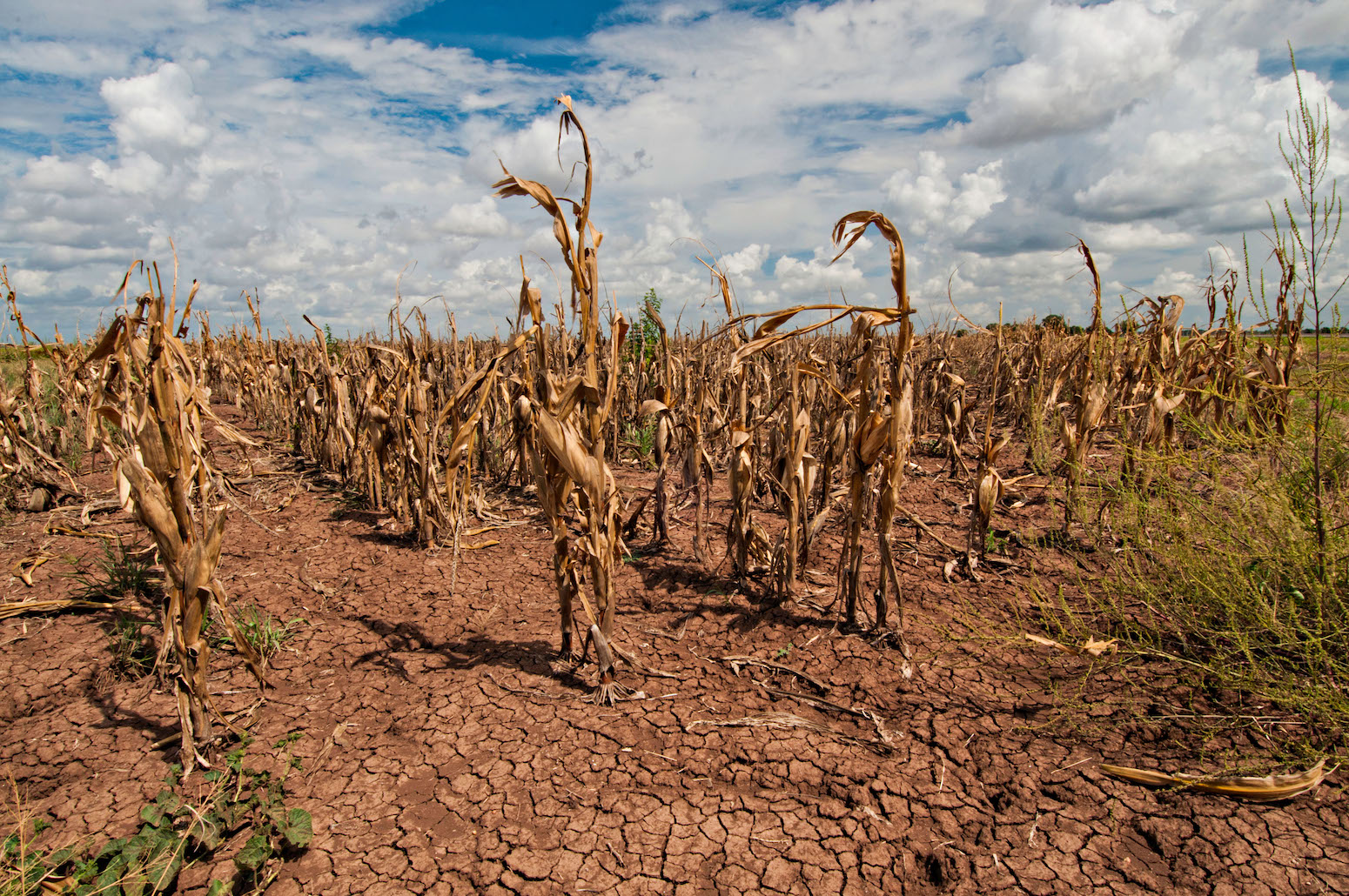
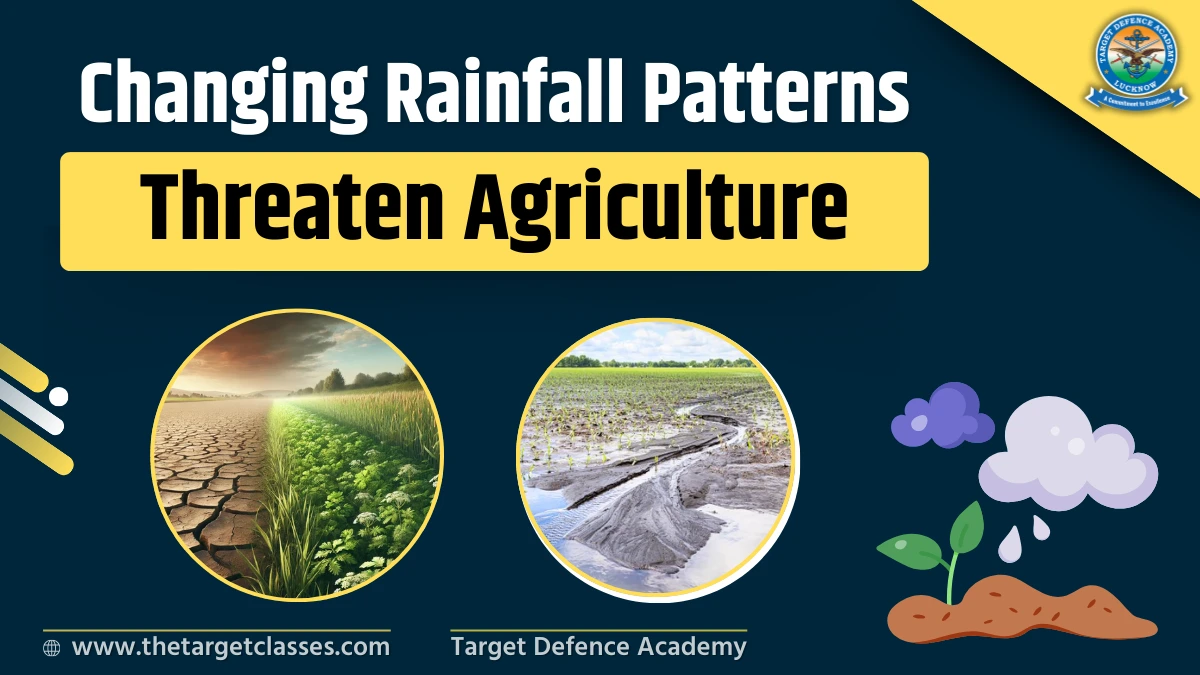
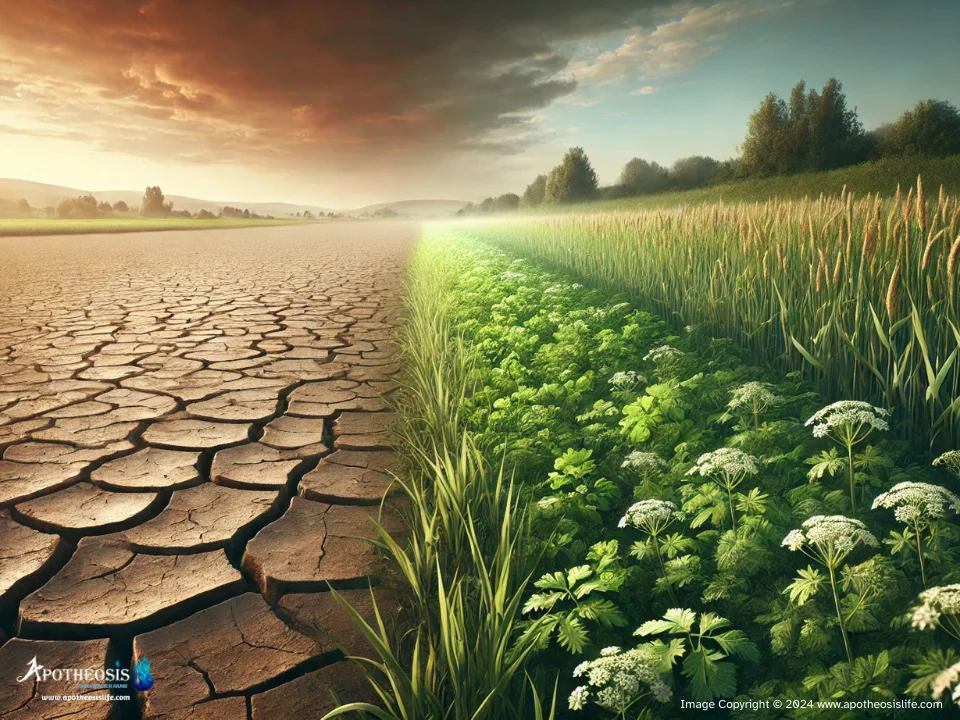
Some regions face more droughts, while others experience excessive rainfall and flooding.
Irregular rainfall disrupts planting and harvesting schedules.
Water scarcity affects irrigation-dependent farming systems.
Regions such as Sub-Saharan Africa are highly vulnerable to rainfall variability.
1.Increased Droughts
- Higher temperatures increase evaporation from soil and water bodies.
- Some regions receive less rainfall than normal.
- Prolonged dry periods reduce water availability.
- Agriculture, drinking water supplies, and hydropower are affected.
- Impact: Crop failures, water shortages, desertification.
2.Heavier Rainfall and Flooding
- A warmer atmosphere holds more moisture.
- When it rains, it often rains more intensely
- Short-duration heavy rainfall events are increasing.
- Rivers overflow, causing floods.
Impact: soil erosion, displacement of people.
Increased Extreme Weather Events
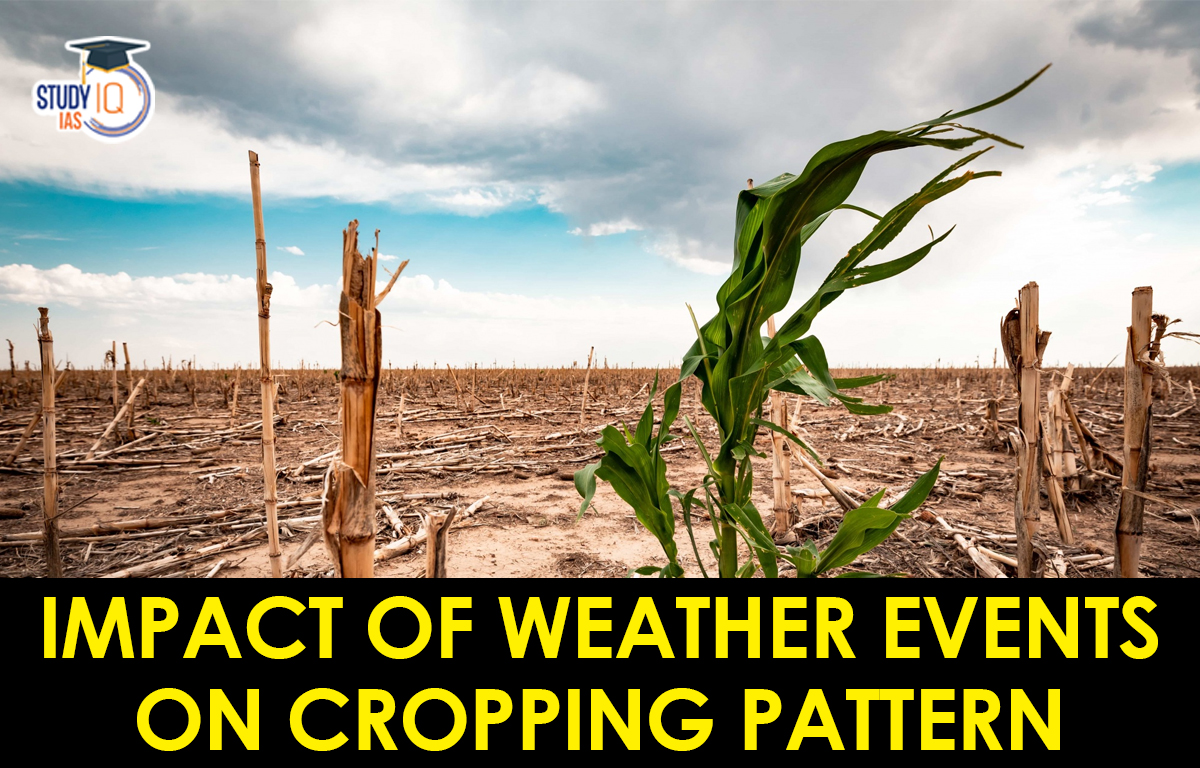
More frequent hurricanes, floods, and wildfires damage crops and farmland.Soil erosion and land degradation increase after extreme events. Climate change is increasing the frequency, intensity, and duration of extreme weather events. Rising global temperatures add more energy and moisture to the atmosphere, making weather systems stronger and more destructive.
for example, hurricanes in the United States have caused billions of dollars in agricultural losses
ulnerable to rainfall variability
1.More Intense Heatwaves
- Global warming increases average temperatures.
- Heatwaves are becoming longer and more frequent.
- Nighttime temperatures remain high, reducing recovery time.
- Impact:
Heat-related illnesses and deaths
Reduced crop productivity
Increased electricity demand for cooling
2️.Stronger Hurricanes and Cyclones
Warmer ocean temperatures provide more energy to storms.
Storms become more intense with heavier rainfall.
Increased storm surges cause coastal flooding.
Impact:
• Infrastructure destruction
• Loss of life and property
• Agricultural and economic losses
Pest and Disease Spread
Warmer climates allow pests and plant diseases to spread to new regions.Invasive species can reduce productivity and increase pesticide use.
Increased Plant Diseases
Fungal, bacterial, and viral diseases thrive in humid and warm conditions.
- More rainfall and flooding encourage fungal growth.
- Drought-stressed plants are more vulnerable to infection.
- Example: Wheat rust diseases, such as stem rust, spread more aggressively in warmer, moist conditions.
Impact: Reduced crop yields and food insecurity
Changes in Pest Life Cycles
Climate change disrupts the timing between crops and pests (phenology).
- Earlier springs mean pests may emerge before crops are ready.
- Longer growing seasons allow extended feeding periods.
This mismatch can either increase or sometimes decrease damage—but in many cases, it worsens outbreaks.
Soil Degradation
Transportation plays a major role in climate change because it depends heavily on the burning of fossil fuels such as gasoline, diesel, and jet fuel. Cars, trucks, airplanes, ships, and trains release large amounts of carbon dioxide (CO₂) and other greenhouse gases into the atmosphere.
Increased Soil Erosion
Climate change increases the frequency of heavy rainfall, floods, and strong winds.
- Heavy rainfall washes away nutrient-rich topsoil.
- Flooding removes organic matter and soil structure.
- Droughts reduce vegetation cover, leaving soil exposed to wind erosion.
Impact on agriculture:
• Loss of fertile topsoil
• Reduced crop yields
• Increased need for fertilizers
Soil Salinization
Climate change contributes to salinity problems through:
- Rising sea levels affecting coastal farmland
- Increased evaporation in dry regions
- Irrigation misuse during drought conditions
In countries like India and Australia, salinization is reducing the productivity of agricultural land.
Impact on crops:
• Poor seed germination
• Stunted plant growth
• Reduced yields
Strategic Agriculture Responses
Water Management Strategies
Climate change alters rainfall distribution, requiring:
Drip irrigation systems
Rainwater harvesting
Improved drainage systems
Efficient irrigation also reduces soil salinization risk in arid regions like Australia.
Agroforestry Systems
Agroforestry integrates trees with crops and/or livestock.
Example initiatives in Africa promote tree planting to restore degraded lands.
Strategic benefits:
- Reduces wind and water erosion
- Enhances soil fertility through leaf litter
- Improves biodiversity
Conservation Agriculture
This approach protects soil structure and reduces erosion through:
- Minimal soil disturbance (no-till farming)
- Crop rotation
Benefits:
• Improved soil moisture retention
• Increased carbon sequestration
• Reduced input costs
 Climate Change Impact