 Climate Change Impact
Climate Change Impact
Climate Change Impact
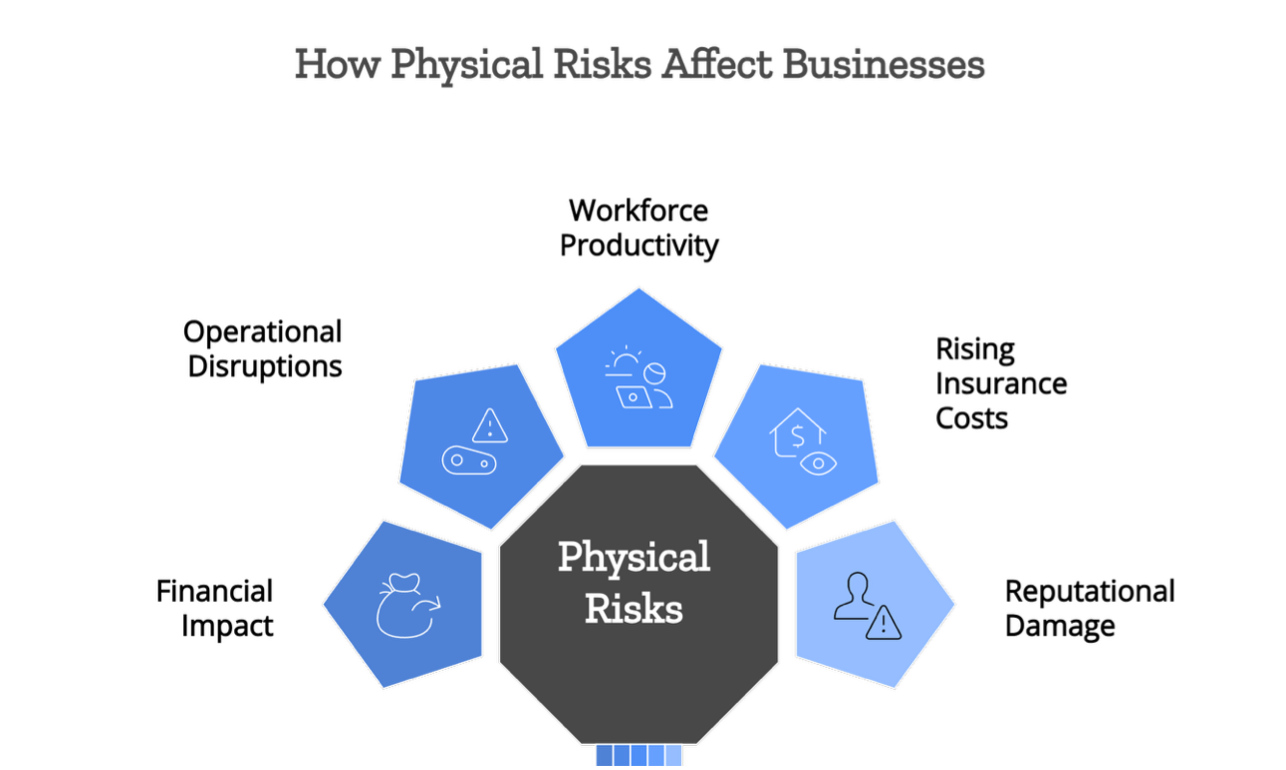
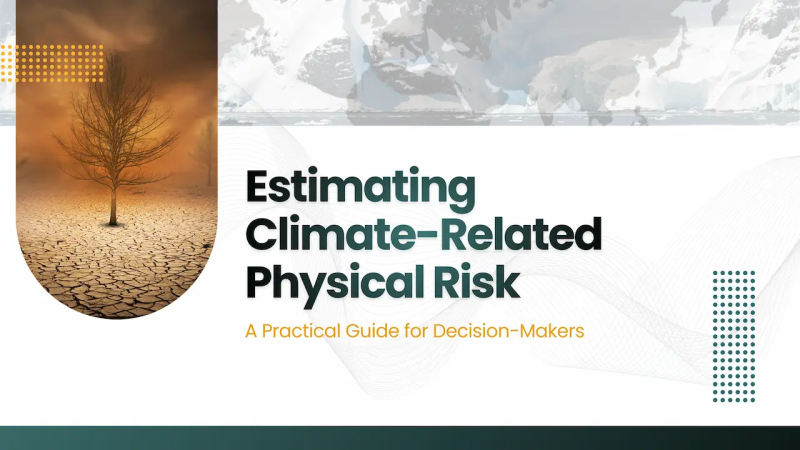
Climate change is reshaping how businesses operate, compete, and grow. Its impact can be grouped into physical risks, regulatory pressures, market shifts, financial implications, and strategic opportunities
These come from changing weather patterns and extreme events. Change the climate business profit is decreases.
Governments worldwide are tightening environmental regulations.
Consumers and investors increasingly favor sustainable businesses.

Climate change affects financial performance through:
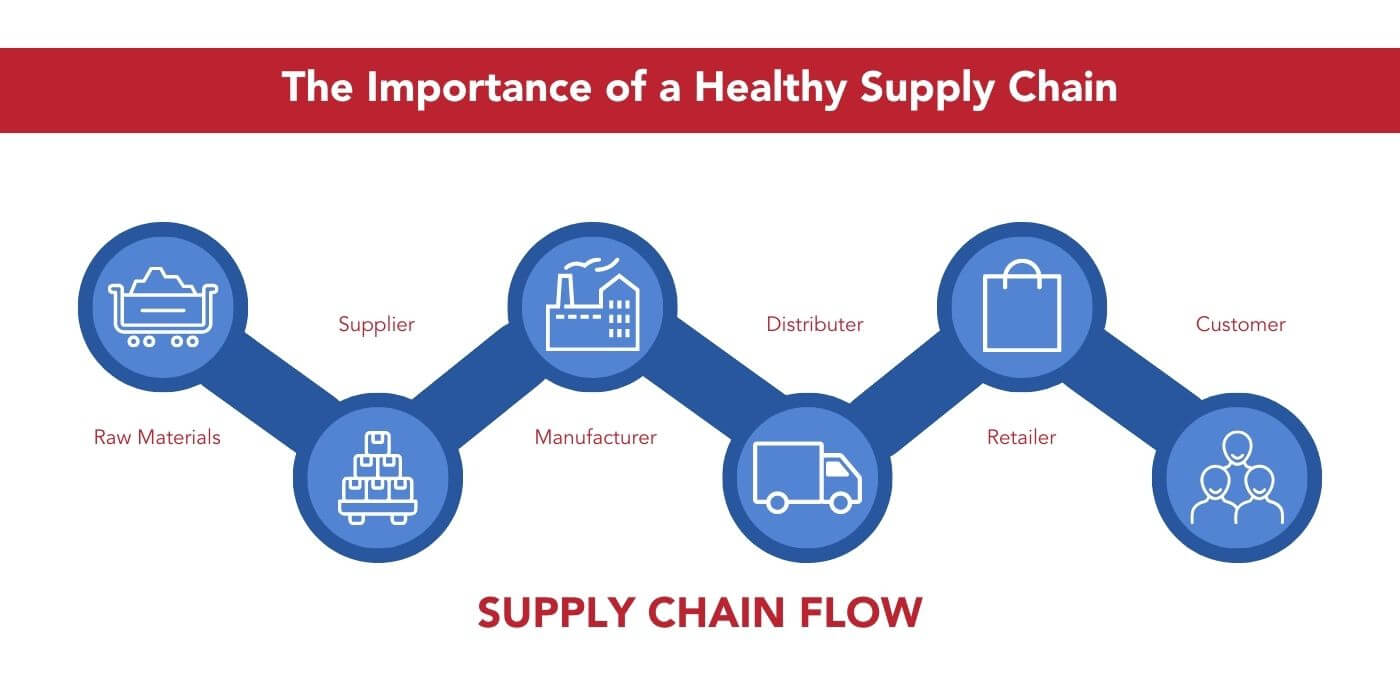
Global supply chains are vulnerable to climate events
A. Emissions Reduction Targets
• Net-zero commitments (often by 2050)
• Science-based targets
Some companies set targets aligned with the Science Based Targets initiative.
B. Renewable Energy Adoption
• On-site solar or wind generation
• Power purchase agreements (PPAs)
• Electrification of fleets and operations
Example: Google has committed to operating on 24/7 carbon-free energy.
A. Low-Carbon Products & Services
• Electric vehicles
• Sustainable packaging
• Plant-based alternatives
• Carbon accounting software
For instance,transformed from fossil fuels to renewable energy.
B. Circular Economy Models
• Product take-back programs
• Recycling & remanufacturing
• Product-as-a-service models
A. Green Finance
• Issuing green bonds
• Sustainability-linked loans
• ESG-linked executive compensation
Institutions like HSBC have expanded green financing offerings.
B. Divestment & Portfolio Shifts
• Phasing out coal investments
• Shifting toward renewables and climate tech