 Climate Change Impact
Climate Change Impact
Climate Change Impact
Climate change is reshaping industries worldwide—through physical damage, regulation, shifting consumer demand, and technological disruption. Here’s a structured overview of the major impacts across sectors:
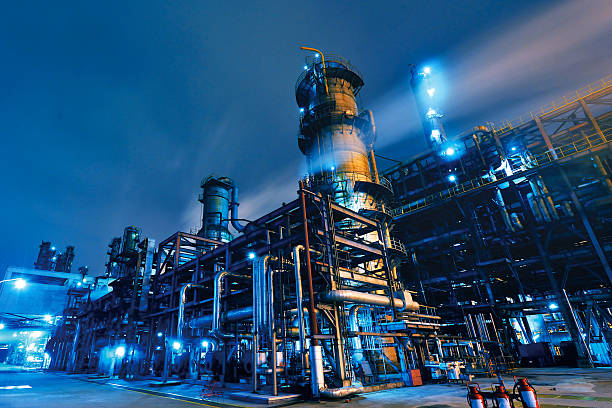
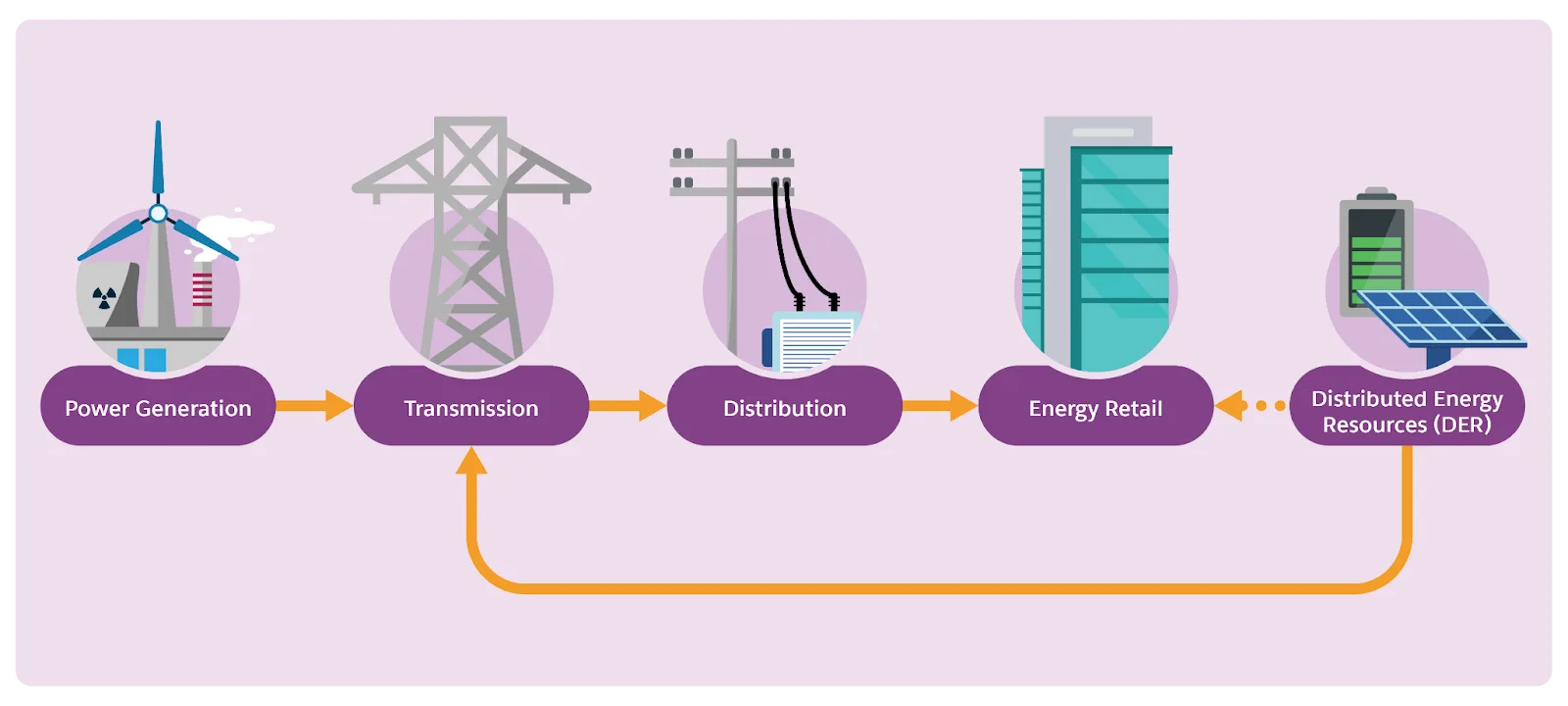
The energy and utilities sector is at the center of climate change impacts because it is both a major contributor to greenhouse gas emissions and one of the industries most exposed to physical climate risks.

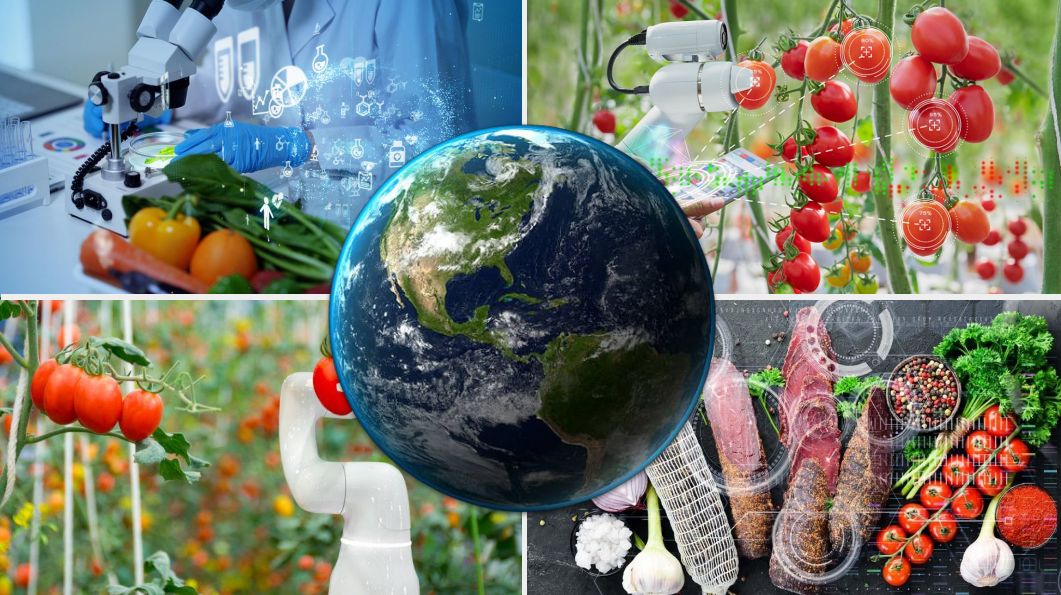
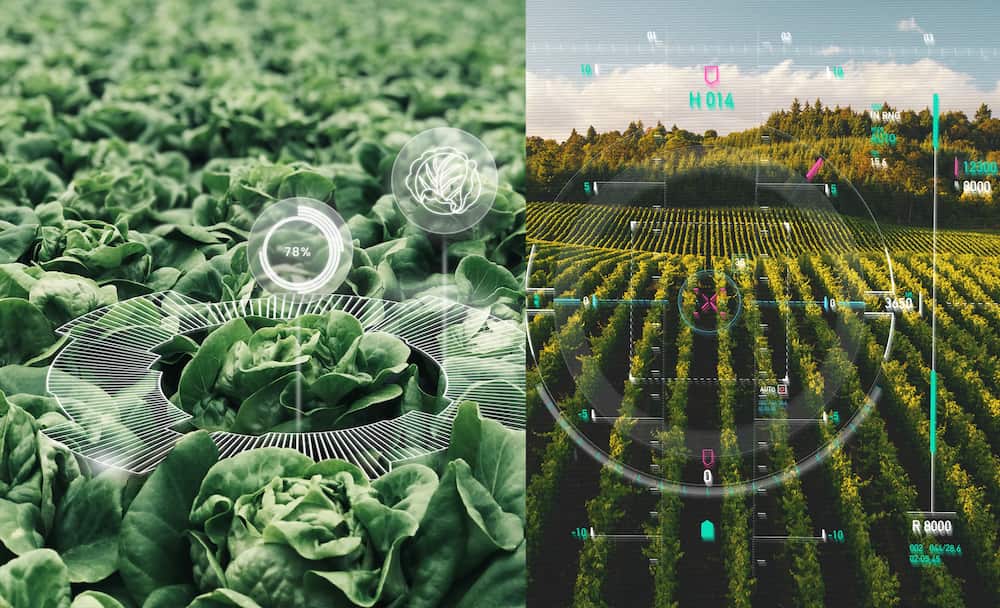
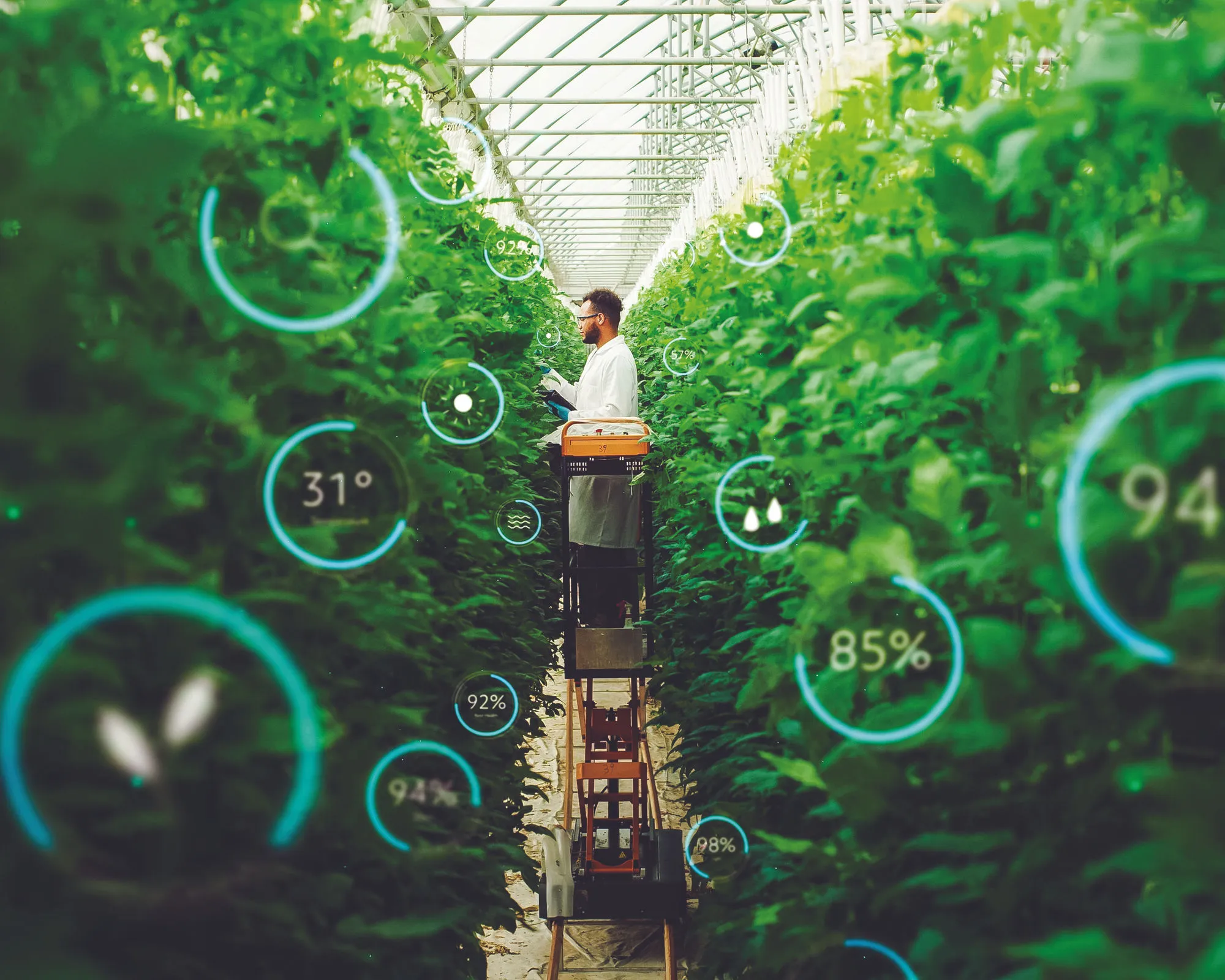
The agriculture and food industry is highly vulnerable to climate change because it depends directly on weather, water availability, and stable ecosystems. At the same time, it is also a significant contributor to greenhouse gas emissions (from livestock, fertilizers, and land use change).
The insurance and finance sector is deeply affected by climate change because it manages risk and allocates capital. As climate-related disasters increase, financial institutions face rising losses, regulatory pressure, and changing investment landscapes.


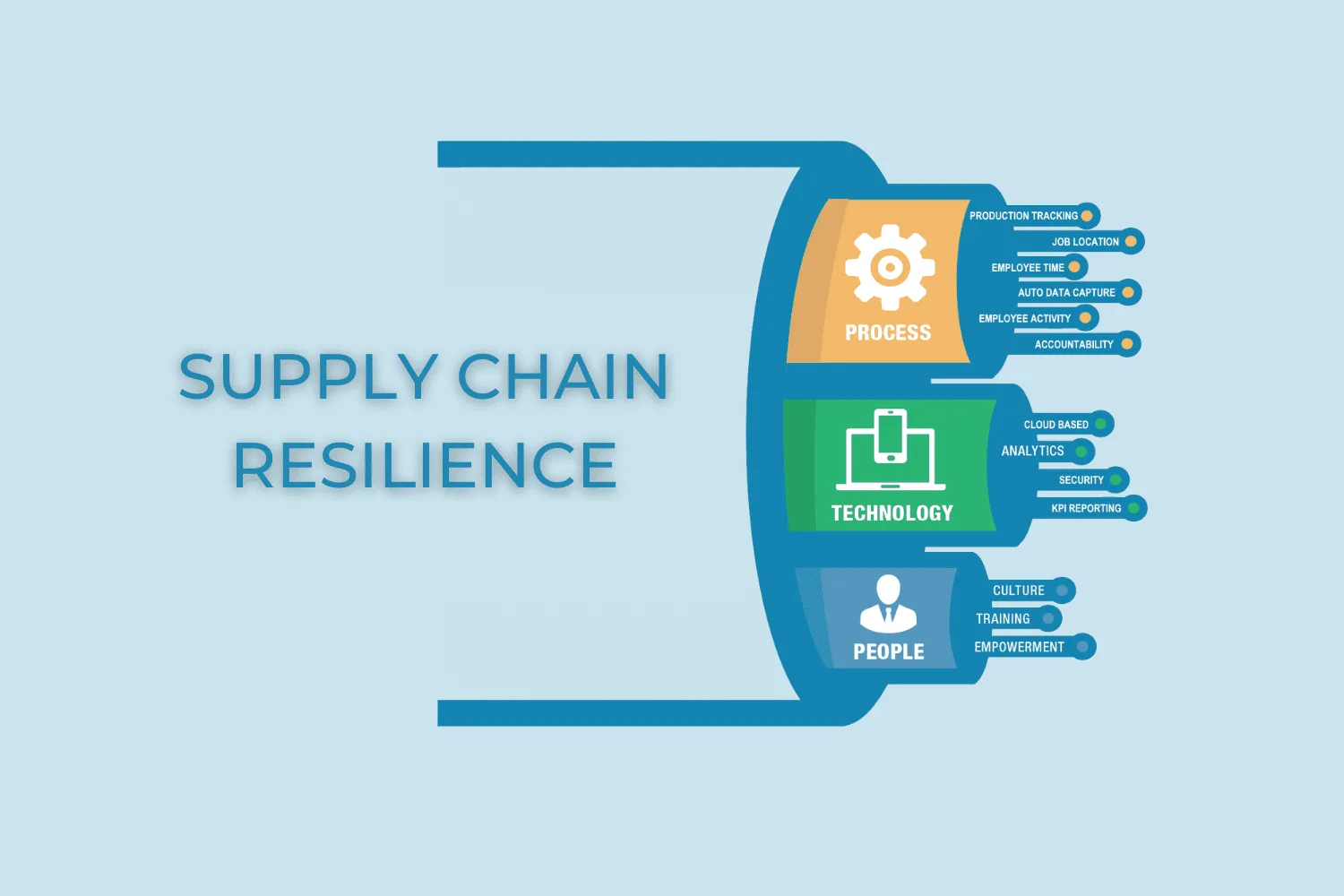
Manufacturing and global supply chains are among the largest contributors to climate change, but they’re also key areas for climate solutions. Here’s a clear breakdown of their impacts and why they matter.


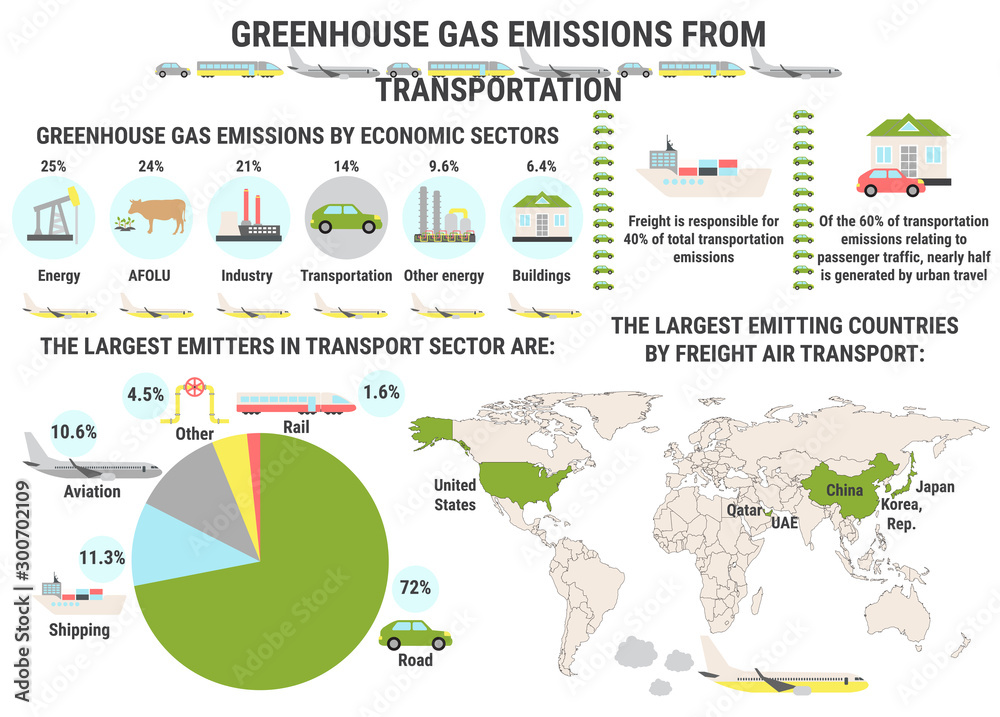
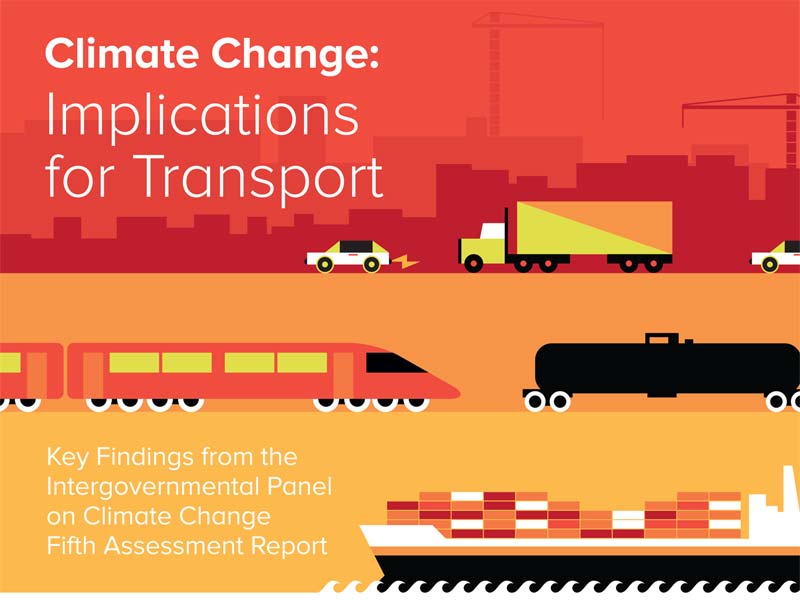
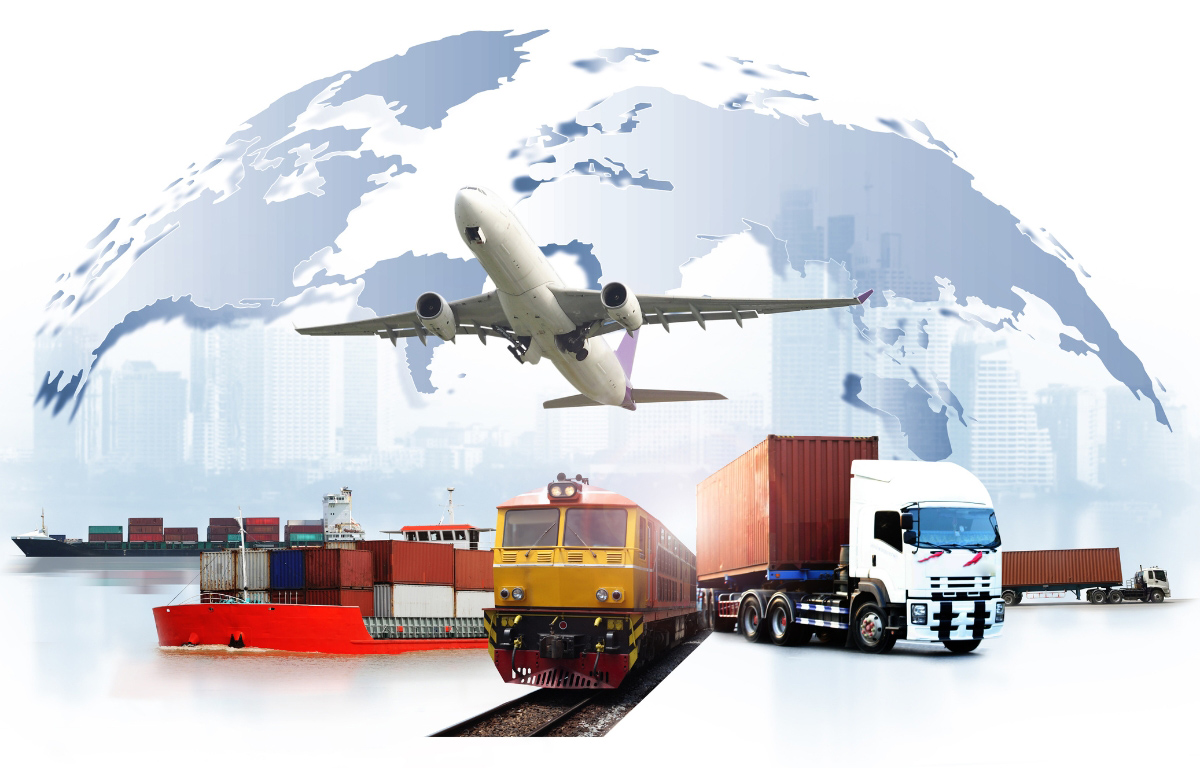
Transportation plays a major role in climate change because it depends heavily on the burning of fossil fuels such as gasoline, diesel, and jet fuel. Cars, trucks, airplanes, ships, and trains release large amounts of carbon dioxide (CO₂) and other greenhouse gases into the atmosphere.
Industries can reduce emissions by shifting from coal, oil, and gas to:
🧪 Green Hydrogen
Hydrogen produced using renewable electricity can replace coal in steel production and natural gas in chemical processes.
📜 Carbon Pricing