Tourism Sector
Climate change is already reshaping global tourism—affecting destinations, travel patterns, costs, and long-term industry sustainability. Here’s a clear breakdown of the main impacts:
Key Impacts on tourism Sectors
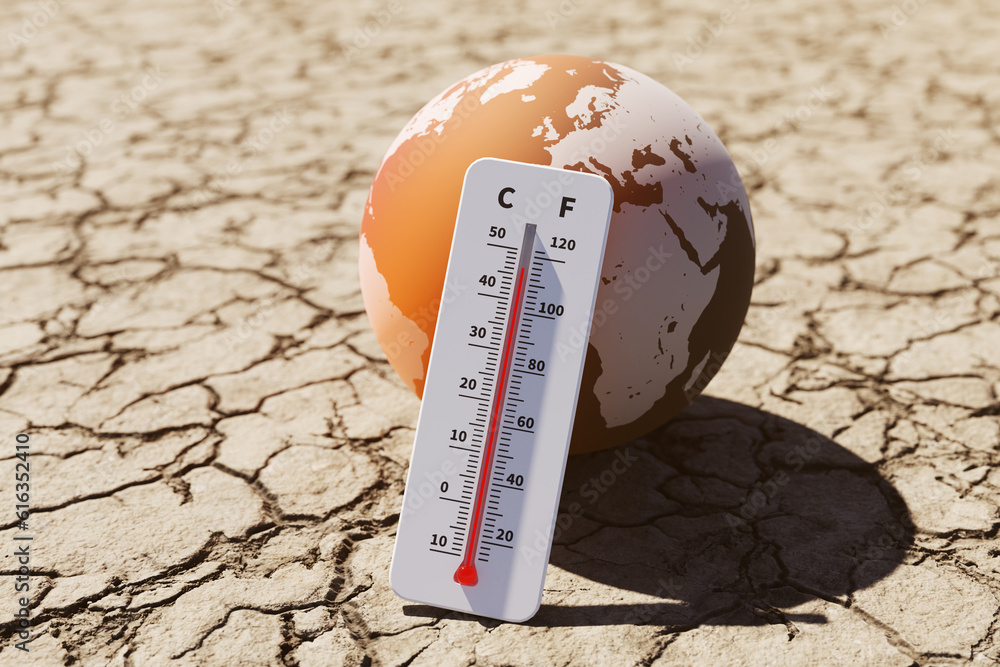
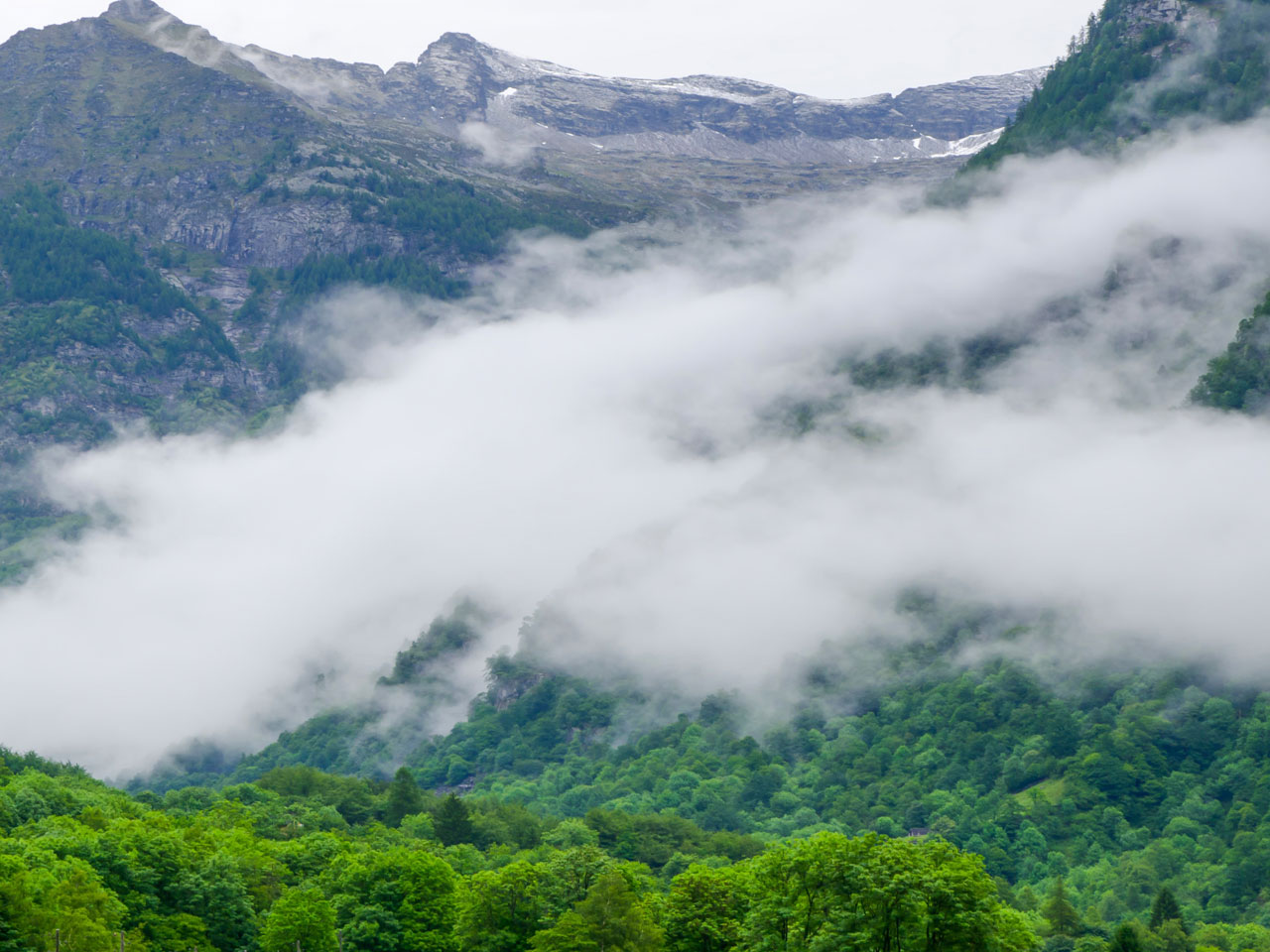
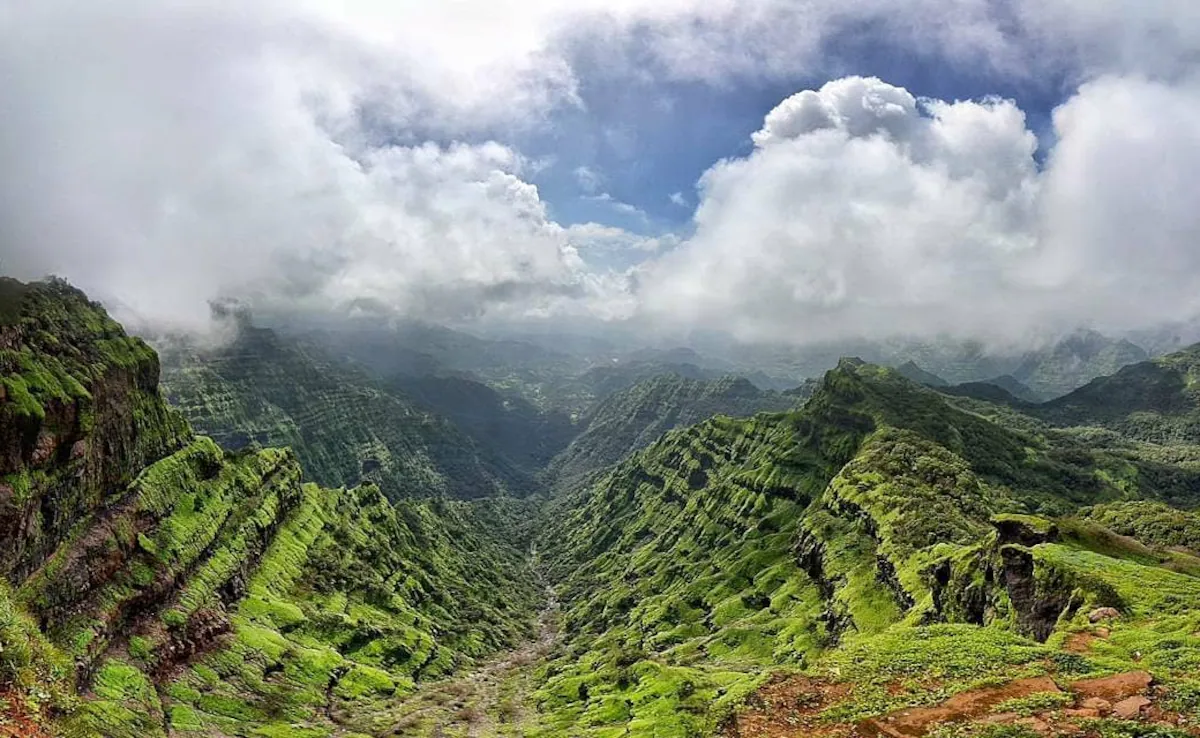
rising temperatures are making once‑cool hill destinations such as Mahabaleshwar noticeably warmer, reducing the comfort that drew tourists during summer months and potentially shortening peak tourist seasons as visitors choose other cooler places or seasons
Impacts
- Reduced Comfort for Tourists
- Shift in Tourist Seasons
- Impact on Winter/High-Altitude Tourism
- Higher temperatures worsen water scarcity in tourist areas.
- Seasonal adjustments and infrastructure adaptation (cooling, water management) increase costs for local authorities.
❄️Decline of Winter Tourism
rising temperatures and milder winters are affecting tourism patterns. Hill stations like Mahabaleshwar and Panchgani are experiencing warmer summers and shorter winters, reducing the comfort and appeal that attract tourists. Outdoor activities, trekking, and sightseeing are impacted, while seasonal shifts are forcing visitors to prefer cooler months, creating uneven tourist flows.
Impacts
- Popular winter destinations like hill stations in Western Maharashtra (e.g., Mahabaleshwar, Panchgani) may see milder winters, affecting tourist appeal.
- Though snowfall is limited in Western Maharashtra, some seasonal or cooler attractions depend on pleasant winter climate for trekking, nature walks, and sightseeing.
- Seasonal businesses may face financial instability due to unpredictable tourist flow.
🌊Sea-Level Rise & Coastal Erosion
The insurance and finance sector is deeply affected by climate change because it manages risk and allocates capital. As climate-related disasters increase, financial institutions face rising losses, regulatory pressure, and changing investment landscapes.
Impacts
- Rising claims from extreme weather events.
- Increased risk modeling complexity.
- Divestment from high-carbon assets.
🌀Extreme Weather Events
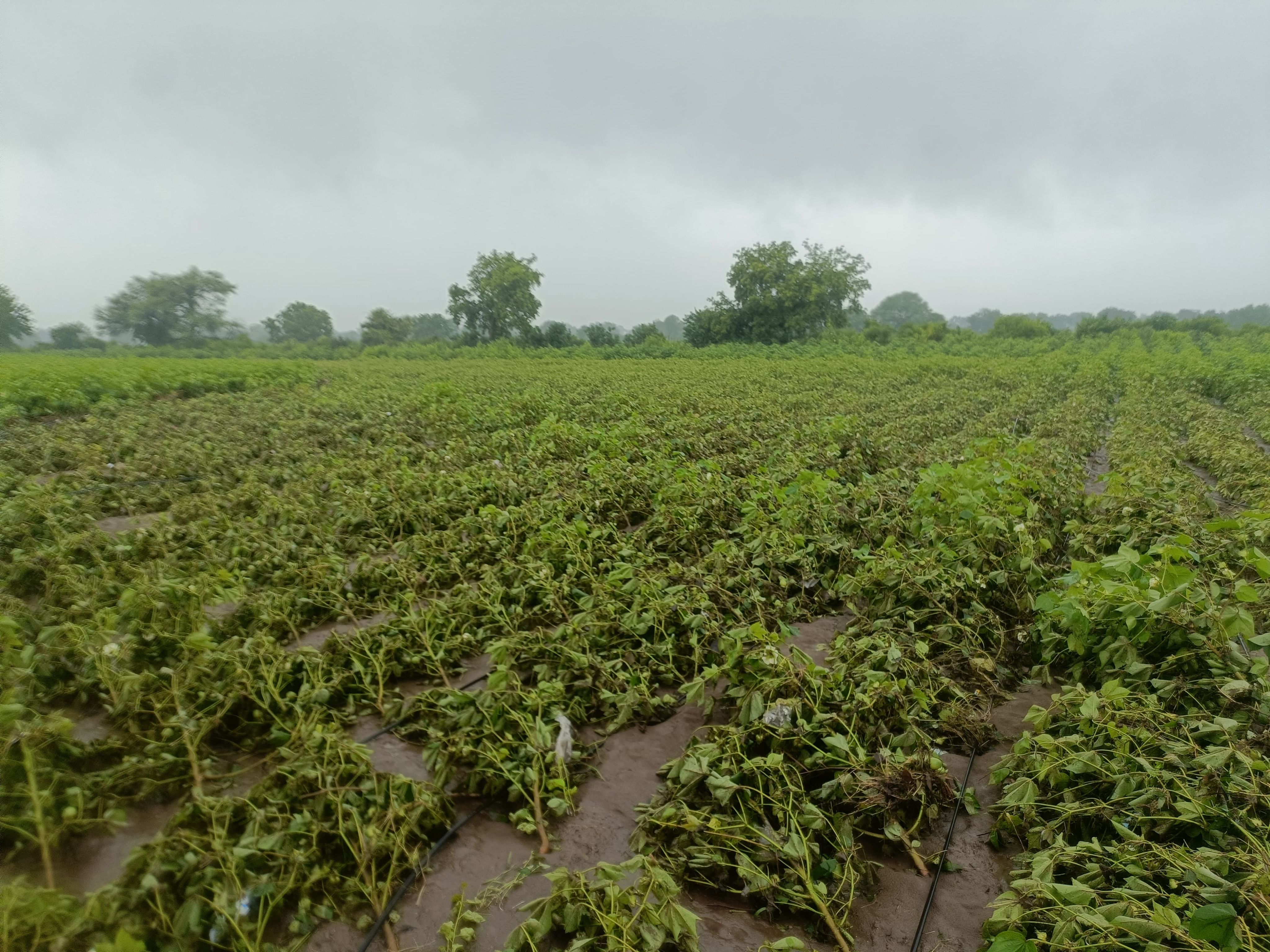
Western Maharashtra is highly sensitive to climate variability. Extreme weather events—intense rainfall, droughts, heatwaves, and floods—have increased in frequency and intensity due to climate change. These events affect ecosystems, agriculture, and wildlife.
Impacts
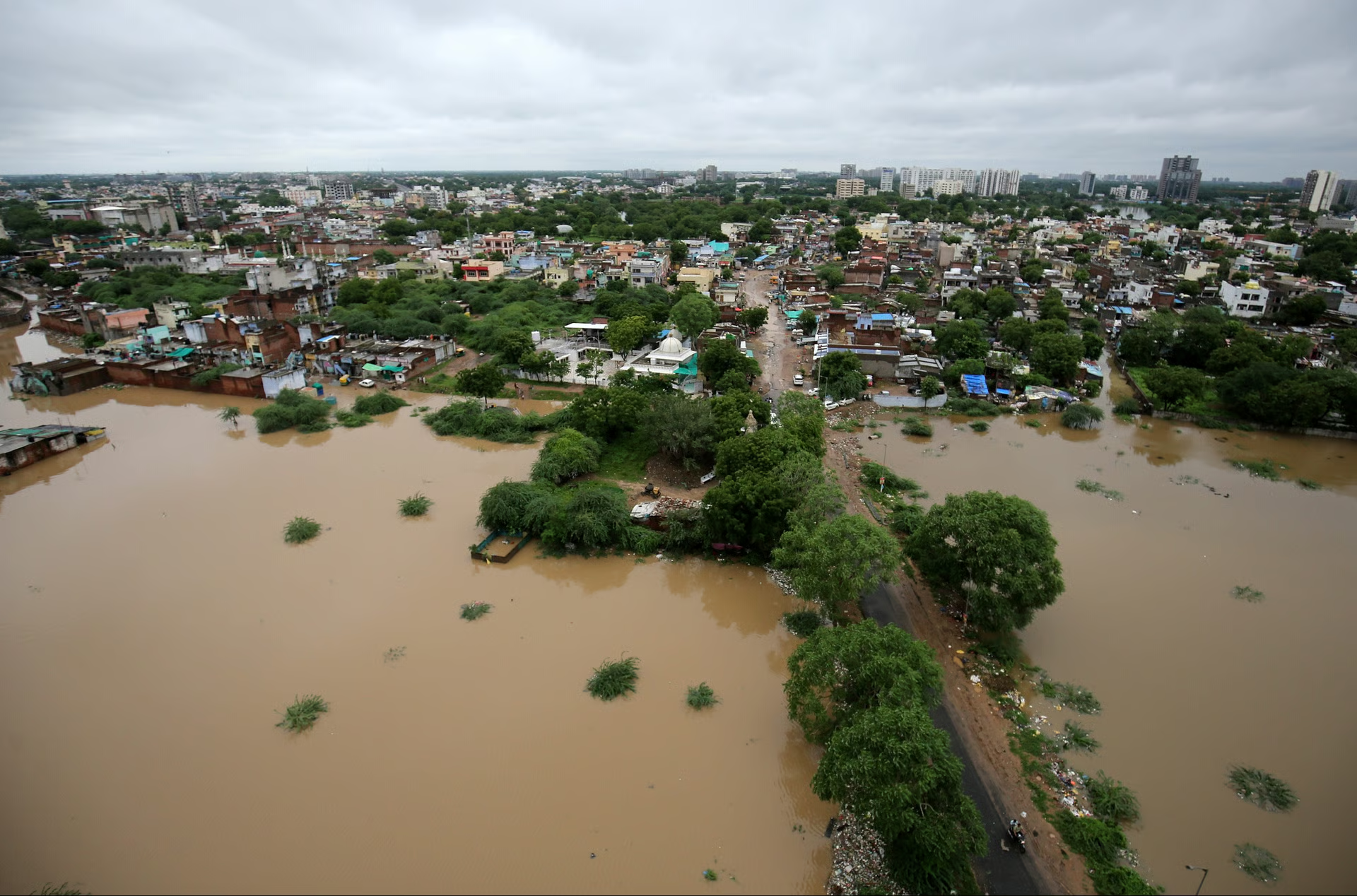
- Monsoon rains have become more erratic and intense, leading to flash floods in river valleys and urban areas.
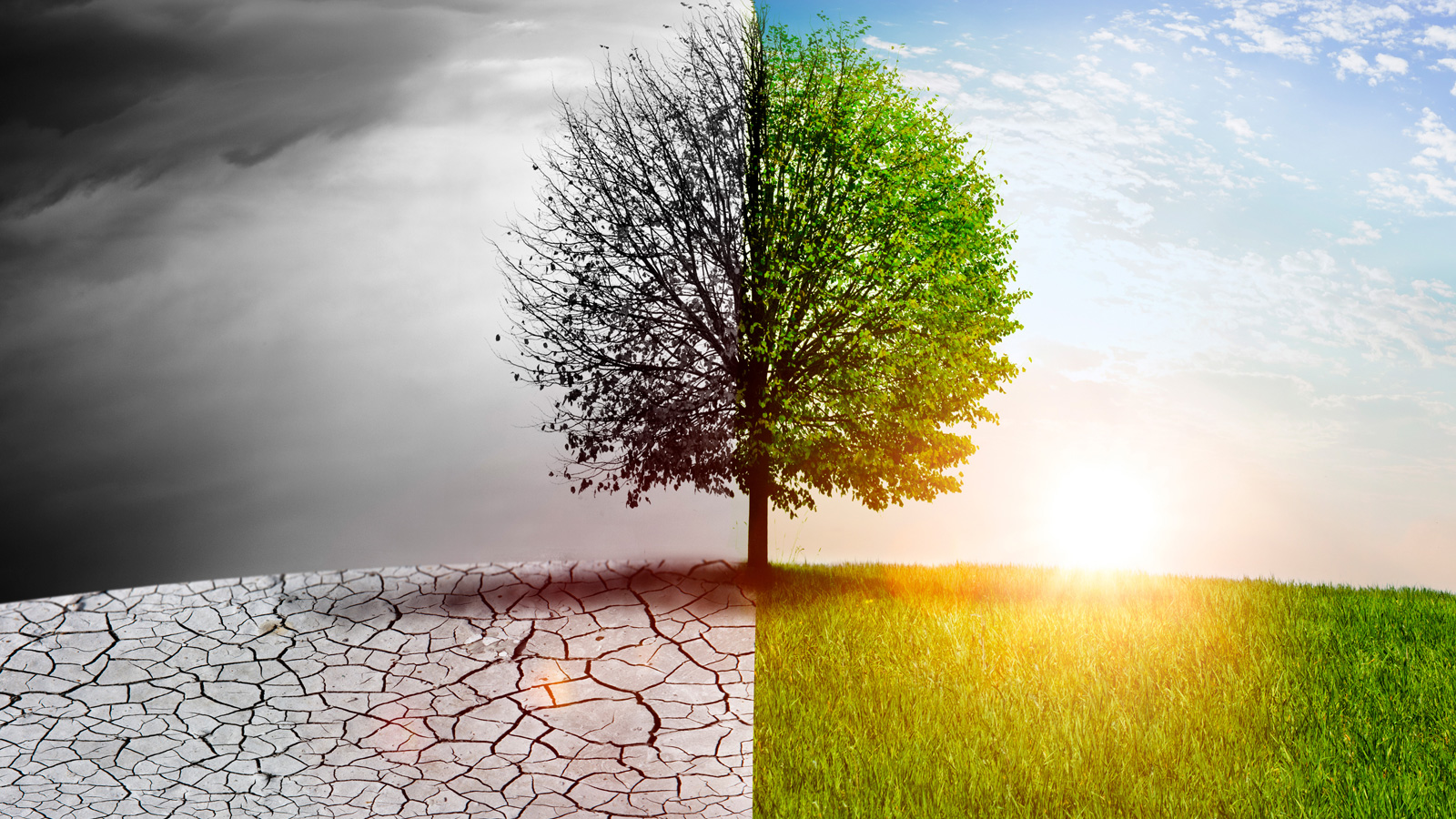
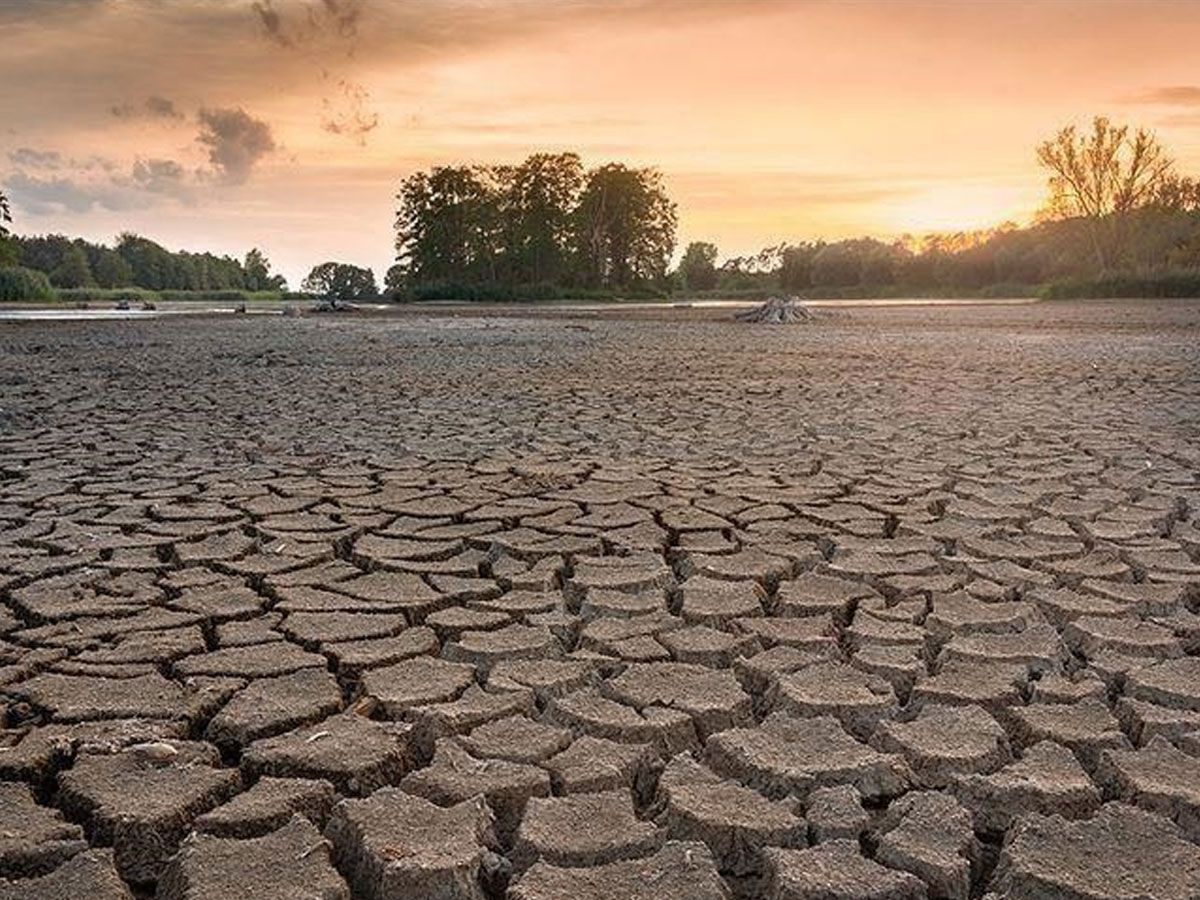
- Rising temperatures and uneven rainfall contribute to prolonged droughts.
- Western Maharashtra occasionally experiences intense storms and high-speed winds.
-
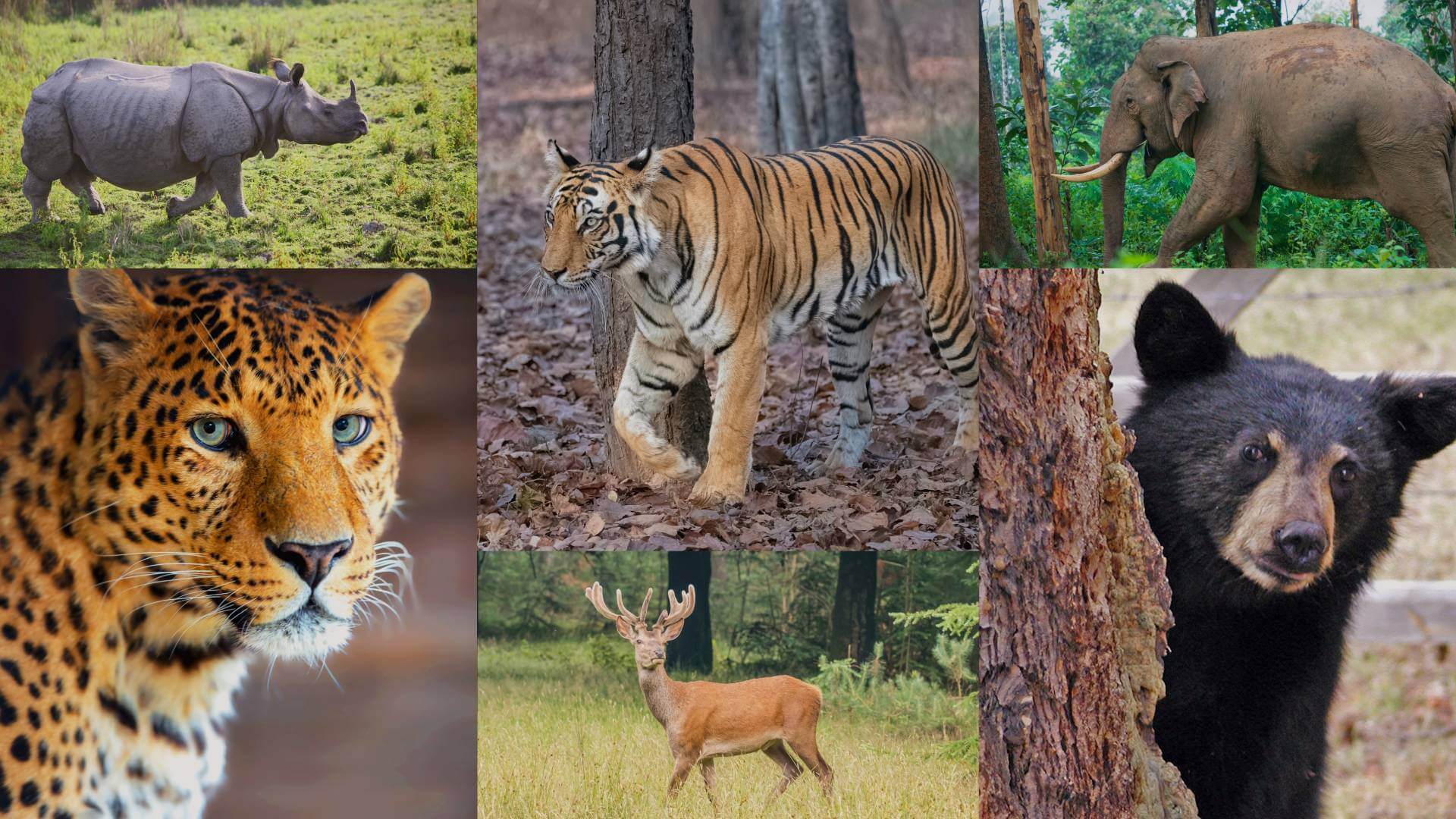
🐠Ecosystem & Wildlife Loss
Western Maharashtra, encompassing parts of the Western Ghats, plateau regions, and agricultural plains, is highly sensitive to climate variations. Rising temperatures, changing rainfall patterns, and human pressures are reshaping its ecosystems and threatening wildlife.
Impacts
- Temperature Shifts: Rising global temperatures alter habitats. Many species can’t adapt quickly enough, forcing migrations or causing local extinctions. For example, alpine and polar ecosystems are shrinking as temperatures rise.
- Ocean Warming and Acidification: Increased CO₂ absorption lowers ocean pH, affecting corals, shellfish, and plankton
-
- Habitat Loss and Fragmentation: Melting ice, rising seas, and deforestation reduce livable areas for species
-
Strategic tourism Responses
Water and Energy Management
Water management is critical in Western Maharashtra due to variable rainfall, droughts, floods, and increasing water demand from agriculture, industry, and households.
Erratic Monsoons: Irregular rainfall and extreme events lead to floods or droughts.
Rainwater Harvesting: Collecting rainwater from rooftops and surfaces to recharge aquifers.
Renewable Energy: Solar farms, small hydro projects, and biomass energy utilization.
Awareness and Community Engagement
Community involvement is critical because local practices, traditional knowledge, and collective action can enhance climate resilience and sustainable resource management.
- Educating farmers, youth, and urban residents about climate change impacts such as erratic rainfall, heatwaves, floods, and biodiversity loss.
- Campaigns emphasize adaptation strategies: crop diversification, soil and water conservation, and energy-efficient practices
- Local water committees monitor groundwater levels
Policy and Insurance Measures
In Western Maharashtra, government policies focus on climate adaptation, water conservation, renewable energy, agriculture resilience, and biodiversity protection. The Government of Maharashtra implements programs under the State Action Plan on Climate Change to promote sustainable farming.
- Implementation of the State Action Plan on Climate Change (SAPCC) by Government of Maharashtra.
- Strengthening watershed development programs in drought-prone districts./li>
 Climate Change Impact